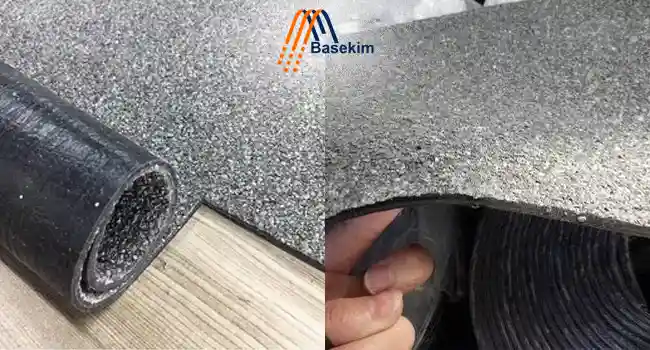
When it comes to waterproofing systems, especially for roofs and foundations, choosing the right membrane thickness is critical. The debate around 3mm vs 4mm bituminous membrane often comes down to performance, durability, cost, and application type. If you’re planning a construction or renovation project, understanding the difference between these two options will help you make a smarter, longer-lasting investment.
In this guide, we’ll break down everything you need to know about 3mm vs 4mm bituminous membrane, including their features, advantages, use cases, and how to select the right one for your needs.
Understanding 3mm Bituminous Membrane
A 3mm bituminous membrane is lighter and more flexible than its thicker counterpart. Contractors typically use it for projects where moderate waterproofing is sufficient.
Key Features of 3mm Membrane:
Thickness: 3 millimeters
Lightweight and easy to handle
Cost-effective solution
Suitable for low to moderate stress environments
Common Applications:
Residential roofs
Bathrooms and kitchens
Temporary waterproofing layers
Underlayers in multi-layer systems
Advantages:
Easier and faster installation
Lower material cost
Good flexibility for detailed areas
Limitations:
Less durable than thicker membranes
Shorter lifespan in extreme conditions
Not ideal for heavy-duty waterproofing
Understanding 4mm Bituminous Membrane
A 4mm bituminous membrane offers higher strength, durability, and resistance. Builders prefer it for projects that demand long-term performance and high waterproofing reliability.
Key Features of 4mm Membrane:
Thickness: 4 millimeters
Heavier and more robust
Higher resistance to wear and tear
Designed for demanding environments
Common Applications:
Commercial and industrial roofs
Foundations and basements
Bridge decks and tunnels
Areas exposed to extreme weather
Advantages:
Superior durability and lifespan
Better resistance to punctures and damage
Ideal for high-load and high-traffic areas
Limitations:
Higher cost compared to 3mm
Slightly more complex installation
Heavier to transport and apply
3mm vs 4mm Bituminous Membrane: Key Differences
Understanding the differences between 3mm vs 4mm bituminous membrane helps you choose the right solution for your project.
1. Thickness and Strength
The most obvious difference is thickness. A 4mm membrane provides greater strength and resistance, making it suitable for demanding conditions, while a 3mm membrane works well in lighter applications.
2. Durability
When comparing 3mm vs 4mm waterproofing membrane, the 4mm option lasts longer. It resists environmental stress, UV exposure, and mechanical damage more effectively.
3. Cost
A 3mm membrane costs less upfront, making it attractive for budget-conscious projects. However, the 4mm membrane offers better long-term value due to its durability.
4. Application Type
Use 3mm roofing membrane for residential or low-impact areas
Use 4mm roofing membrane for industrial or high-performance requirements
5. Installation
The thinner membrane is easier to install and handle. The thicker one requires more care but delivers stronger results.
Which One Should You Choose?
Choosing between 3mm vs 4mm bituminous membrane depends on several factors:
Choose 3mm Membrane If:
Your project has a limited budget
You need a temporary or secondary waterproofing layer
The area has low exposure to stress and weather
Choose 4mm Membrane If:
You want long-term durability
The surface experiences heavy usage or harsh weather
You are working on commercial or industrial structures
Performance Comparison: 3mm vs 4mm Waterproofing Membrane
| Feature | 3mm Membrane | 4mm Membrane |
|---|---|---|
| Thickness | 3mm | 4mm |
| Durability | Moderate | High |
| Cost | Lower | Higher |
| Flexibility | High | Moderate |
| Strength | Standard | Superior |
| Lifespan | Shorter | Longer |
Importance of Quality Supplier
No matter which thickness you choose, the quality of the membrane plays a huge role in performance. A high-quality product ensures proper waterproofing, longevity, and resistance.
One trusted supplier in the industry is Basekim. They provide premium-grade bituminous membranes designed for both 3mm and 4mm applications. Choosing a reliable supplier ensures that your waterproofing system performs as expected.
Installation Tips for Bituminous Membranes
To maximize the benefits of both 3mm vs 4mm bituminous membrane, proper installation is essential:
Always prepare the surface thoroughly
Use appropriate primers before application
Ensure proper torching or adhesive bonding
Avoid air bubbles and gaps
Overlap seams correctly
Proper installation significantly improves the performance of both membrane types.
Common Mistakes to Avoid
When comparing 3mm vs 4mm bituminous membrane, many people make avoidable mistakes:
Choosing based only on price
Ignoring environmental conditions
Poor installation practices
Using 3mm where 4mm is required
Avoid these mistakes to ensure long-lasting waterproofing.
Final Thoughts
The decision between 3mm vs 4mm bituminous membrane ultimately depends on your project requirements. If you need a cost-effective and flexible solution for light applications, the 3mm membrane works well. However, if durability, strength, and long-term performance matter most, the 4mm membrane is the better choice.
Both options serve important roles in construction, and understanding their differences helps you make an informed decision. Always consider factors like climate, structure type, and budget before selecting your membrane.
By choosing high-quality materials from trusted suppliers like Basekim and ensuring proper installation, you can achieve a reliable and long-lasting waterproofing system