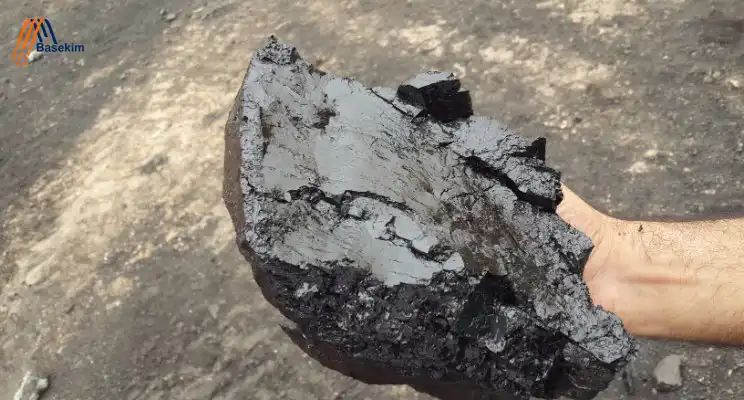
If you work with asphalt, drilling fluids, inks, or industrial binders, you probably want one clear answer first: what is gilsonite select 325 and why do industries use it?
Gilsonite select 325 is a finely ground natural asphalt with a controlled particle size that delivers fast solubility, consistent performance, and predictable results in industrial formulations. Manufacturers choose it when they need uniform dispersion, stable behavior, and repeatable quality in demanding processes.
This article explains gilsonite select 325 in practical terms—what it is, how it behaves, where it works best, and what engineers and buyers should know before using it.
What Is Gilsonite Select 325?
Gilsonite select 325 is a natural solid hydrocarbon milled to pass through a 325-mesh sieve, meaning the particles are extremely fine. This controlled size allows the material to blend quickly with oils, solvents, and bitumen without forming lumps or undissolved residues.
Unlike refined petroleum bitumen, gilsonite forms naturally through the solidification of hydrocarbons in underground fractures. Mining and processing preserve its original molecular structure, which gives it a high asphaltene content and excellent binding strength.
The “select” designation indicates stricter quality control. Producers remove oversized particles, minimize ash content, and maintain uniform granulation to ensure predictable performance.
Key Physical and Chemical Properties of Gilsonite Select 325
Gilsonite 325 Mesh offers a combination of properties that make it valuable across multiple industries:
High softening point compared to standard bitumen
Very low ash and moisture content
High carbon and asphaltene concentration
Brittle solid at ambient temperature
Rapid solubility in aromatic and aliphatic solvents
Because of its fine mesh, this grade disperses faster than coarser gilsonite powders. That advantage reduces mixing time and energy consumption during production.
Why Gilsonite Select 325 Mesh Particle Size Is Important
Particle size directly affects how gilsonite behaves in real processes. A 325-mesh grade offers several practical benefits:
Faster dissolution
Fine particles expose more surface area, allowing quicker interaction with solvents or hot binders.Better dispersion
Uniform particle size prevents sedimentation and separation during storage and application.Consistent product quality
Controlled granulation leads to stable viscosity, penetration, and softening point in final formulations.Lower processing cost
Faster mixing reduces production time and minimizes equipment stress.
These factors explain why many manufacturers prefer gilsonite select 325 over coarser grades for precision applications.
Applications of Gilsonite Select 325
Asphalt Modification
In asphalt blending, gilsonite select 325 improves hardness, temperature resistance, and durability. Engineers use it to increase rutting resistance and reduce deformation under heavy traffic. The fine powder blends smoothly into hot bitumen, creating a homogeneous modified binder.
Drilling Fluids
Oilfield operators rely on this grade to control fluid loss and stabilize wellbores. The fine particles seal micro-fractures efficiently and enhance filter cake quality without increasing viscosity excessively.
Printing Inks and Coatings
Ink and coating manufacturers value the uniform dispersion of gilsonite select 325. The material improves gloss, pigment binding, and chemical resistance while maintaining stable flow properties.
Industrial Binders and Sealants
Adhesive and sealant formulations benefit from the strong binding characteristics of this grade. The fine mesh ensures smooth textures and consistent curing behavior.
Handling and Storage Considerations
Although gilsonite select 325 is stable, proper handling protects its quality:
Store in dry, sealed packaging
Avoid prolonged exposure to humidity
Use dust control measures during handling
Mix gradually to prevent airborne loss
Because the powder is very fine, controlled feeding systems improve safety and efficiency in industrial environments.
Quality Factors Buyers Should Check
When sourcing gilsonite select 325, buyers should evaluate more than just price. Key quality indicators include:
Mesh distribution consistency
Ash content percentage
Softening point range
Solubility performance
Packaging integrity
Reliable suppliers provide technical data sheets and batch consistency, which reduces risk during large-scale production.
Industrial buyers often work with established suppliers such as Basekim, which offers controlled grades of gilsonite select 325 for export and industrial use.
Environmental and Performance Advantages
Gilsonite select 325 offers advantages beyond performance. Because it is a naturally occurring material, it reduces reliance on fully synthetic additives. Its high efficiency means lower dosage rates compared to some petroleum-based modifiers, which can reduce overall material consumption.
The fine particle size also minimizes waste during processing, as more of the product actively participates in the formulation.
Final Thoughts
Gilsonite select 325 plays a critical role in industries that demand precision, consistency, and performance. Its fine mesh size ensures fast solubility, smooth dispersion, and predictable behavior across asphalt, oilfield, ink, and binder applications.
Understanding particle size, quality control, and application requirements helps buyers choose the right grade and avoid costly formulation issues. With proper sourcing and handling, this material delivers long-term value and reliable results. Many global buyers source this grade through experienced suppliers like Basekim, ensuring consistent quality and technical support.