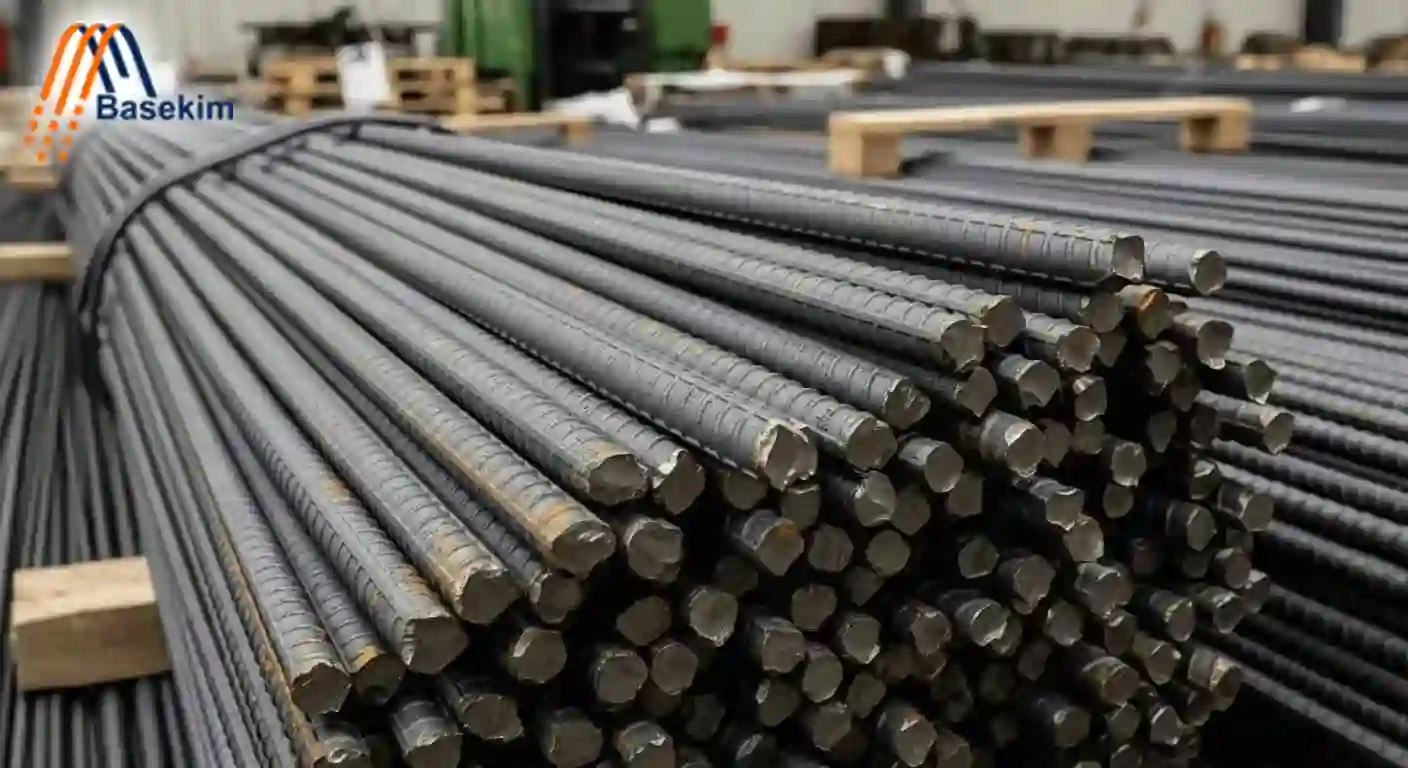
When it comes to modern construction, the debate around TMT bars vs rebar is more relevant than ever. Builders, engineers, and developers constantly seek materials that offer superior strength, durability, and safety. While both options play a crucial role in reinforced concrete structures, understanding their performance differences can significantly impact project outcomes.
This article dives deep into the comparison of TMT bars vs rebar, highlighting their features, advantages, and real-world applications—without going into basic definitions. Whether you’re planning a residential build or a large infrastructure project, this guide will help you make a confident decision.
Understanding the Core Difference Between TMT Bars and Rebar
The comparison of TMT bars vs rebar often centers on manufacturing processes and performance capabilities. TMT (Thermo-Mechanically Treated) bars undergo a specialized heat treatment process that enhances their strength and flexibility. This results in a tough outer surface and a ductile core, making them highly reliable in demanding construction environments.
On the other hand, conventional reinforcing steel bars vary in composition and processing standards. Their properties depend heavily on grade, manufacturing method, and quality control.
Strength and Load-Bearing Capacity
When comparing TMT bars vs rebar, strength is one of the most critical factors.
TMT bars are engineered to deliver high tensile strength combined with excellent elongation properties. This makes them ideal for structures exposed to dynamic loads such as earthquakes, wind pressure, and heavy traffic.
In contrast, standard reinforcement steel may offer adequate strength, but it often lacks the same balance between rigidity and flexibility. This difference becomes particularly important in high-rise buildings and bridges.
For example, Rebar A500C – Rebar A615 Grade 60 are commonly used in various construction projects, but their performance depends heavily on application and environmental conditions.
Ductility and Flexibility
One of the standout features in the TMT bars vs rebar discussion is ductility.
TMT bars are known for their superior ductility. They can bend without breaking, allowing structures to absorb stress and energy efficiently. This property is essential in seismic zones where structural movement is inevitable.
Traditional reinforcement bars may not provide the same level of flexibility, which can lead to cracks or structural fatigue over time. The ability of TMT bars to withstand deformation without failure gives them a clear advantage in safety-critical projects.
Corrosion Resistance
Durability is another major factor when evaluating TMT bars vs rebar.
TMT bars are highly resistant to corrosion due to their unique manufacturing process. The hardened outer layer protects against moisture and environmental damage, making them suitable for coastal regions and humid climates.
Standard reinforcement steel, however, can be more susceptible to rust if not properly treated or coated. Over time, corrosion can weaken the structure and increase maintenance costs.
This makes TMT bars a preferred choice for long-term infrastructure projects where durability is non-negotiable.
Fire Resistance and Thermal Stability
Fire safety plays a crucial role in construction decisions. In the comparison of TMT bars vs rebar, thermal resistance becomes a key differentiator.
TMT bars can withstand high temperatures without losing structural integrity. Even under extreme heat, they maintain their strength and do not easily deform.
Conventional reinforcement bars may lose strength more quickly when exposed to fire, increasing the risk of structural failure.
This makes TMT bars especially valuable in buildings where fire resistance is a priority, such as commercial complexes and industrial facilities.
Weldability and Workability
Ease of use on-site is another important consideration in the TMT bars vs rebar debate.
TMT bars offer excellent weldability due to their low carbon content. This allows for easier fabrication and faster construction timelines. Workers can cut, bend, and weld TMT bars without compromising their structural integrity.
Standard reinforcement steel may require additional precautions during welding, as higher carbon content can lead to brittleness.
Better workability translates into improved efficiency and reduced labor costs, giving TMT bars an edge in modern construction practices.
Cost Efficiency Over Time
While initial costs are always a concern, long-term value is what truly matters in the TMT bars vs rebar comparison.
TMT bars may sometimes have a slightly higher upfront cost, but their durability, reduced maintenance needs, and longer lifespan make them more cost-effective in the long run.
Conventional reinforcement steel might appear economical initially, but potential issues like corrosion, repairs, and replacements can increase overall project costs.
Investing in TMT bars often results in better returns and fewer structural issues over time.
Environmental Impact and Sustainability
Sustainability is becoming a key focus in construction. The discussion of TMT bars vs rebar also includes environmental considerations.
TMT bars are often manufactured using energy-efficient processes and can be recycled easily. Their long lifespan reduces the need for frequent replacements, minimizing resource consumption.
Standard reinforcement steel can also be recycled, but its shorter lifespan may lead to higher material usage over time.
Choosing TMT bars supports greener construction practices and aligns with modern sustainability goals.
Applications in Modern Construction
The practical applications further highlight the differences in TMT bars vs rebar.
TMT bars are widely used in:
High-rise buildings
Bridges and flyovers
Dams and water structures
Earthquake-resistant constructions
Conventional reinforcement steel is still used in:
Small-scale residential projects
Temporary structures
Low-load applications
However, as construction standards evolve, TMT bars are increasingly becoming the preferred choice across all project types.
Choosing the Right Supplier Matters
No matter which material you choose in the TMT bars vs rebar debate, sourcing from a reliable supplier is essential.
A trusted company like Basekim ensures high-quality reinforcement steel that meets international standards. Working with a reputable supplier guarantees consistency, performance, and peace of mind throughout your project.
Performance in Extreme Conditions
Another important aspect of TMT bars vs rebar is how they perform under extreme conditions.
TMT bars excel in environments with high stress, temperature fluctuations, and exposure to harsh elements. Their enhanced properties make them suitable for critical infrastructure where failure is not an option.
Standard reinforcement steel may require additional treatment or coatings to perform under similar conditions, which can increase complexity and cost.
Safety and Structural Integrity
Safety is at the heart of every construction project. The comparison of TMT bars vs rebar clearly shows that TMT bars offer superior safety benefits.
Their combination of strength, flexibility, and resistance to environmental factors ensures that structures remain stable and secure over time.
Using high-quality reinforcement materials reduces the risk of structural failures, protecting both investments and human lives.
Future Trends in Reinforcement Materials
The future of construction is shifting towards advanced materials, and the TMT bars vs rebar discussion reflects this trend.
With increasing demand for resilient and sustainable structures, TMT bars are gaining widespread acceptance. Innovations in manufacturing continue to enhance their performance, making them even more reliable.
Traditional reinforcement steel is gradually being upgraded or replaced by more advanced alternatives to meet modern construction requirements.
Conclusion: TMT Bars vs Rebar – Which One Wins?
The comparison of TMT bars vs rebar clearly highlights the advantages of TMT bars in terms of strength, durability, flexibility, and long-term value.
While conventional reinforcement steel still has its place in certain applications, TMT bars stand out as the superior choice for modern construction. Their ability to withstand stress, resist corrosion, and maintain structural integrity makes them indispensable in today’s building industry.
For builders and developers aiming for quality, safety, and efficiency, TMT bars are not just an option—they are the future of reinforced construction.