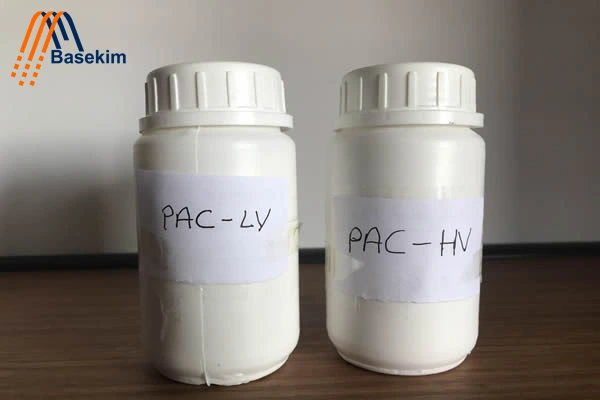
Understanding PAC HV vs PAC LV in Industrial Context
When industries evaluate PAC HV vs PAC LV, the focus shifts toward performance, efficiency, and adaptability. This comparison plays a vital role in optimizing operations across various sectors. Businesses often aim to enhance productivity while keeping operational costs under control.
Why the Comparison Matters
Choosing between these two options directly affects system efficiency and long-term expenses. A well-informed decision ensures smoother operations, reduced downtime, and better scalability.
Key Differences Between PAC HV vs PAC LV
Understanding the differences helps industries make confident decisions.
Performance Capabilities
PAC HV typically supports higher performance demands, while PAC LV offers efficiency in controlled environments. Each serves a distinct purpose depending on operational intensity.
Operational Efficiency
Energy consumption patterns differ significantly. PAC HV handles high-load systems effectively, whereas PAC LV supports stable and consistent operations with optimized energy usage.
Application Flexibility
Industries requiring robust performance often lean toward PAC HV, while PAC LV suits environments where precision and efficiency matter more than power.
PAC HV vs PAC LV Cost Comparison
Cost plays a critical role in decision-making.
Initial Costs
PAC HV systems often require higher upfront investment due to their capacity and capabilities. PAC LV systems are generally more budget-friendly initially.
Long-Term Value
Over time, maintenance and operational efficiency determine actual value. Selecting the right option minimizes long-term expenses and maximizes returns.
Efficiency and Output Analysis
Efficiency drives industrial success.
Energy Optimization
PAC LV solutions often excel in energy-saving scenarios. However, PAC HV systems deliver unmatched performance in demanding environments.
Output Stability
Stable output ensures consistent productivity. Both options offer reliability, but their effectiveness depends on usage conditions.
Industrial Applications of PAC HV vs PAC LV
Heavy Industries
Large-scale industries benefit from high-capacity systems that handle intense workloads efficiently.
Light Applications
Smaller operations prefer flexible and efficient solutions that maintain steady performance without excessive energy consumption.
Advantages of Choosing the Right Option
Productivity Gains
Selecting the right system boosts efficiency and reduces operational interruptions.
Cost Savings
Smart choices lead to significant savings over time, especially when energy efficiency aligns with operational needs.
Common Mistakes to Avoid
Overlooking Requirements
Many businesses fail to assess their actual needs, leading to inefficient system selection.
Ignoring Supplier Quality
Working with trusted suppliers like Basekim ensures consistent quality and reliable performance. Choosing the wrong supplier can result in long-term operational issues.
How to Choose Between PAC HV vs PAC LV
Decision Checklist
Evaluate operational requirements
Analyze energy consumption needs
Consider long-term maintenance
Assess scalability
Expert Recommendations
Industry experts recommend aligning system choice with workload demands rather than focusing solely on cost.
Role of Reliable Suppliers
Why Supplier Matters
A reliable supplier guarantees product consistency and technical support. Companies like Basekim provide dependable solutions that meet industrial standards and performance expectations.
Future Trends in PAC Technologies
Smart Systems Integration
Automation and smart technologies continue to shape the future of industrial systems, improving efficiency and monitoring capabilities.
Sustainability Focus
Modern solutions prioritize energy efficiency and reduced environmental impact, making sustainability a key factor in system selection.
FAQs
1. What is the main difference in PAC HV vs PAC LV performance?
The main difference lies in their ability to handle varying operational loads and efficiency levels.
2. Which option is more cost-effective?
It depends on usage. PAC LV is often cheaper initially, while PAC HV may offer better value in high-demand environments.
3. How do I choose the right system?
Evaluate your operational needs, energy usage, and long-term goals.
4. Are both options suitable for all industries?
No, each option suits specific applications depending on workload and efficiency requirements.
5. Why is supplier selection important?
A reliable supplier ensures quality, performance, and long-term reliability.
6. Can I switch between PAC HV and PAC LV later?
Switching is possible but may involve additional costs and system adjustments.
Conclusion
The comparison of PAC HV vs PAC LV highlights the importance of aligning system capabilities with operational demands. Each option offers unique benefits, and the right choice depends on performance requirements, cost considerations, and long-term goals. By focusing on efficiency, reliability, and supplier quality, businesses can make informed decisions that drive success.