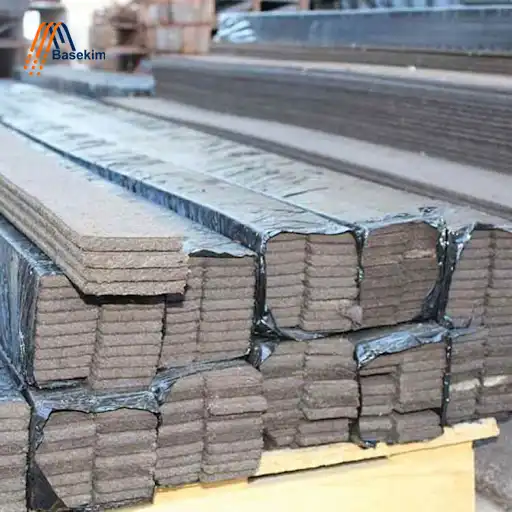
Modern infrastructure faces constant pressure from temperature changes, traffic loads, moisture, and structural movement. Roads, bridges, parking decks, airport runways, and industrial floors all expand and contract over time. As a result, engineers rely on reliable joint systems to prevent cracking, water penetration, and structural damage. One of the most effective and widely used solutions is the bitumen expansion joint.
A bitumen expansion joint provides flexibility, durability, and long-term sealing performance for concrete and asphalt structures. It absorbs movement while maintaining a strong waterproof barrier. Because of these advantages, contractors and civil engineers use bitumen joint systems in many infrastructure projects worldwide.
In this article, you will learn what a bitumen expansion joint is, how it works, where it is used, and why it remains a preferred option in the construction industry. You will also discover the importance of selecting a trusted supplier such as Basekim for high-quality bitumen products.
What Is a Bitumen Expansion Joint?
A bitumen expansion joint is a flexible joint filler or sealing system made primarily from bitumen-based materials. It is designed to accommodate movement between two structural elements. Since concrete and asphalt expand during hot weather and contract during cold weather, expansion joints prevent stress buildup that could damage the structure.
The joint system usually contains bitumen, rubber, polymer-modified compounds, and filler materials. Together, these components create a flexible and waterproof barrier that can withstand repeated movement.
Engineers often install bitumen expansion joints in:
Highway pavements
Concrete roads
Asphalt roads
Bridge decks
Airport runways
Parking structures
Industrial flooring
Sidewalks and walkways
Water retaining structures
Because the material remains flexible over time, it effectively handles thermal expansion and contraction.
Why Expansion Joints Are Important
Every structure moves slightly due to temperature fluctuations, moisture variation, vibration, and traffic loads. Without proper movement joints, the pressure creates cracks, uneven surfaces, and water leakage.
Expansion joints solve this problem by allowing controlled movement. A high-quality bitumen joint filler protects the structure while extending its service life.
Here are the main benefits of using expansion joints:
Prevents Structural Cracking
Concrete naturally expands and contracts. When movement becomes restricted, cracks develop quickly. A bituminous expansion joint absorbs stress and minimizes structural damage.
Improves Waterproofing
Water penetration weakens concrete and causes reinforcement corrosion. Since bitumen has excellent waterproofing properties, it seals the joint effectively and prevents moisture infiltration.
Increases Durability
A flexible joint system protects pavement edges and concrete slabs from premature wear. Consequently, infrastructure lasts longer and requires fewer repairs.
Handles Heavy Traffic
Roads and bridges experience continuous vehicle movement. Bitumen joint sealant remains resilient under heavy traffic conditions, making it suitable for highways and industrial areas.
Reduces Maintenance Costs
Because expansion joints prevent severe damage, property owners and municipalities spend less on maintenance and repair work.
Types of Bitumen Expansion Joints
Different projects require different expansion joint systems. Therefore, manufacturers produce several types of bitumen-based joint materials.
Bitumen Joint Filler Boards
Bitumen filler boards are preformed sheets used between concrete slabs. Contractors install them before pouring concrete. These boards compress during expansion and recover during contraction.
Common applications include:
Concrete pavements
Bridge joints
Retaining walls
Industrial slabs
Hot Applied Bitumen Joint Sealant
This material is heated before application. Once installed, it creates a flexible and durable seal. Hot-applied sealants perform exceptionally well in roads and highways because they resist weathering and traffic stress.
Cold Applied Bituminous Sealants
Cold-applied products offer easier installation and faster application. Contractors often use them for maintenance projects and smaller construction jobs.
Polymer Modified Bitumen Joints
Polymer-modified bitumen contains additives that improve elasticity, adhesion, and durability. These advanced products provide superior performance in demanding environments.
Common Bitumen Grades Used in Expansion Joint Applications
Different construction projects require specific bitumen grades to achieve the best flexibility, durability, and waterproofing performance. Engineers usually select the bitumen grade according to climate conditions, traffic loads, and project specifications.
Some of the most commonly used bitumen grades in expansion joint systems include:
Penetration Grade Bitumen 60/70
Bitumen 60/70 is one of the most widely used grades in road construction and pavement applications. It offers excellent balance between flexibility and hardness. Therefore, many contractors use it in road expansion joints, bridge joints, and asphalt pavement sealing.
Penetration Grade Bitumen 80/100
Bitumen 80/100 provides higher flexibility compared to harder grades. Because of this characteristic, it performs well in colder climates where structures experience greater thermal contraction.
Penetration Grade Bitumen 40/50
Bitumen 40/50 is harder and more resistant to deformation under heavy traffic conditions. Engineers often use this grade in highways, industrial flooring, and airport pavement joints.
Polymer Modified Bitumen (PMB)
Polymer modified bitumen improves elasticity, fatigue resistance, and waterproofing performance. PMB products are highly suitable for bridge expansion joints, heavy-duty pavements, and demanding infrastructure projects.
Oxidized Bitumen 115/15
Oxidized bitumen 115/15 is a high-performance industrial grade with excellent thermal stability and strong waterproofing properties. Contractors commonly use this grade in expansion joint sealing, roofing systems, insulation materials, and industrial waterproofing applications. Because of its higher softening point, it performs effectively in hot climate conditions.
Oxidized Bitumen 115/25
Oxidized bitumen 115/25 provides a balanced combination of flexibility and durability. Engineers often select this grade for bridge joints, pavement sealing, industrial flooring, and construction waterproofing systems. In addition, it offers strong adhesion and long-term resistance against moisture penetration.
Oxidized Bitumen
Oxidized bitumen offers enhanced thermal stability and water resistance. Contractors frequently use it in waterproofing systems and specialized joint sealing applications.
Selecting the correct bitumen grade significantly improves the lifespan and performance of expansion joint systems.
Key Features of Bitumen Expansion Joint Systems
The popularity of bitumen expansion joints comes from their excellent performance characteristics.
High Flexibility
The material stretches and compresses without cracking. Therefore, it accommodates structural movement effectively.
Strong Adhesion
Bitumen adheres well to concrete, asphalt, steel, and masonry surfaces. As a result, the joint maintains long-lasting sealing performance.
Excellent Waterproofing
Bituminous compounds block water infiltration and protect the structure from moisture damage.
Weather Resistance
Bitumen expansion joint filler withstands UV exposure, rain, snow, and temperature fluctuations.
Chemical Resistance
Many modified bitumen products resist oils, salts, and chemicals commonly found on roads and industrial floors.
Long Service Life
Properly installed joints provide reliable performance for many years, even under harsh conditions.
Applications of Bitumen Expansion Joints
Bitumen joint systems support many infrastructure and construction projects. Their versatility makes them one of the most widely used sealing solutions.
Bitumen Expansion Joint in Road Construction
Road surfaces expand and contract every day due to temperature changes and traffic pressure. A road expansion joint prevents pavement cracking while improving ride quality.
Contractors frequently use bitumen joint filler in:
Asphalt pavements
Concrete highways
Urban roads
Intersections
Parking lots
Because bitumen remains flexible, it absorbs movement efficiently.
Bitumen Expansion Joint in Bridge Expansion Joints
Bridges experience continuous movement from traffic vibration, wind, and thermal changes. Therefore, bridge expansion joints require durable and waterproof materials.
Bitumen-based bridge joints offer:
Flexibility under dynamic loads
Water resistance
Reduced noise
Smooth vehicle transition
Long-term durability
Many civil engineers prefer bituminous bridge joints because they combine cost-effectiveness with dependable performance.
Bitumen Expansion Joint in Airport Runways
Airport pavements face extreme stress from aircraft loads. Expansion joint sealants protect the runway surface and prevent moisture damage.
Since runway safety is critical, engineers choose high-performance bitumen products that resist fuel exposure and heavy wheel loads.
Bitumen Expansion Joint Industrial Flooring
Factories and warehouses contain large concrete slabs that require movement joints. Bitumen sealants maintain flexibility while resisting chemicals and abrasion.
Advantages of Bitumen Expansion Joints Over Other Materials
Many expansion joint materials exist in the market. However, bitumen-based systems continue to dominate many infrastructure projects.
Cost-Effective Solution
Bitumen products usually cost less than complex metal or synthetic joint systems. Therefore, they provide an economical option for large projects.
Easy Installation
Contractors can install bitumen joint fillers quickly with standard equipment. Faster installation reduces labor costs and project delays.
Reliable Waterproofing
Unlike some rigid materials, bitumen creates a continuous waterproof barrier.
Excellent Movement Capability
The flexible nature of bitumen allows the joint to absorb repeated expansion and contraction cycles.
Compatibility With Asphalt and Concrete
Bitumen bonds effectively with common construction materials, which improves overall joint integrity.
How to Install a Bitumen Expansion Joint
Correct installation plays a major role in long-term performance. Even the best joint material can fail if contractors apply it incorrectly.
Surface Preparation
The surface must remain clean, dry, and free from dust, oil, or loose particles. Proper preparation improves adhesion.
Joint Sizing
Engineers must design the joint width and depth according to expected movement and traffic load.
Material Placement
Install the filler board or sealant carefully to ensure full contact with the substrate.
Sealing and Finishing
After installation, contractors smooth the surface to create a uniform finish and proper waterproofing.
Inspection and Maintenance
Regular inspection helps identify early signs of wear or damage. Timely maintenance extends the life of the joint system.
Factors to Consider When Choosing Bitumen Expansion Joint Materials
Selecting the right product ensures long-term performance and durability.
Traffic Conditions
Heavy traffic areas require high-strength and fatigue-resistant materials.
Climate Conditions
Extreme temperatures demand highly flexible products with strong thermal resistance.
Joint Movement
Engineers should evaluate expected movement before selecting the joint system.
Chemical Exposure
Industrial areas may require chemical-resistant modified bitumen products.
Waterproofing Requirements
Projects exposed to moisture need superior sealing performance.
Common Problems Caused by Poor Expansion Joints
Low-quality or damaged joints create serious infrastructure problems.
Water Leakage
Failed joints allow water to penetrate the structure, which accelerates concrete deterioration.
Cracking and Spalling
Restricted movement causes cracks around the joint edges.
Surface Unevenness
Damaged joints create rough surfaces that reduce driving comfort and increase maintenance costs.
Corrosion of Reinforcement
Water infiltration leads to steel corrosion inside concrete structures.
Because of these risks, engineers should always use premium-quality bitumen expansion joint products.
Why Basekim Is a Trusted Supplier of Bitumen Expansion Joint
Choosing a reliable supplier is just as important as selecting the right joint material. High-quality manufacturing ensures consistent performance, durability, and compliance with international standards.
Basekim is a trusted supplier of bitumen products for construction, waterproofing, and infrastructure applications. The company provides premium-grade bitumen materials designed for roads, bridges, industrial projects, and expansion joint systems.
Many contractors and project managers choose Basekim because the company offers:
High-quality bitumen materials
Consistent product performance
Competitive pricing
Reliable supply capacity
Technical support for construction projects
Products suitable for international markets
Since infrastructure projects demand long-lasting materials, working with an experienced supplier like Basekim helps ensure successful project outcomes.
Future Trends in Expansion Bitumen Expansion JointTechnology
The construction industry continues to improve expansion joint performance through advanced materials and manufacturing methods.
Polymer-Modified Technologies
Modern polymer-modified bitumen products provide better elasticity, UV resistance, and durability.
Sustainable Construction Materials
Manufacturers increasingly focus on environmentally friendly and recyclable materials.
Smart Infrastructure Solutions
Advanced monitoring systems now help engineers inspect bridge and pavement joint performance in real time.
Improved Waterproofing Systems
New formulations enhance water resistance and extend service life.
As infrastructure demands increase worldwide, bitumen expansion joint systems will continue to play a critical role in durable construction.
Conclusion: Bitumen Expansion Joint
A bitumen expansion joint is an essential component in modern infrastructure and construction projects. It absorbs structural movement, prevents cracking, improves waterproofing, and extends the lifespan of roads, bridges, airport runways, and industrial floors.
Because of its flexibility, durability, and cost-effectiveness, bitumen remains one of the most reliable materials for expansion joint applications. Engineers and contractors worldwide continue to use bitumen joint fillers and sealants for long-lasting structural protection.
However, product quality greatly affects performance. Therefore, choosing a trusted supplier is critical for project success. Basekim supplies high-quality bitumen products that meet the demanding needs of construction and infrastructure industries.
Whether you are working on highways, bridges, parking structures, or industrial facilities, investing in a premium bitumen expansion joint system ensures durability, waterproofing, and long-term reliability.