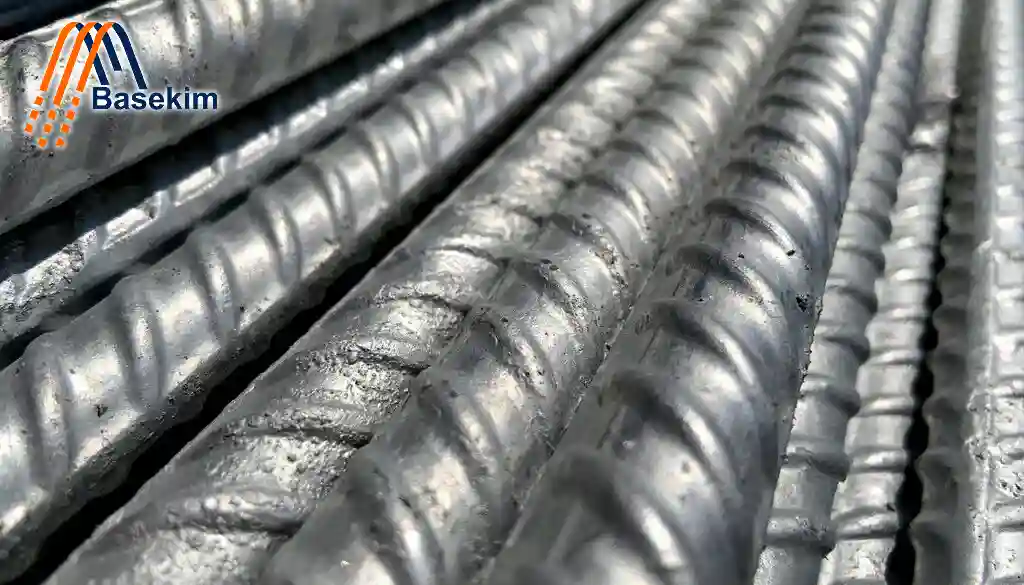
The comparison of ASTM vs EN Rebar Standards plays a critical role in modern construction projects. Engineers, contractors, and project managers rely on these standards to ensure structural integrity, safety, and performance. Each standard defines specific requirements for material properties, testing procedures, and quality control.
Why Standards Matter in Construction
Standards create consistency across construction projects. They ensure that materials meet strict performance requirements. When professionals follow ASTM vs EN Rebar Standards, they reduce risks and improve long-term durability. Strong standards also simplify international collaboration.
Global Adoption Trends
ASTM standards dominate in the United States and several international markets. EN standards, on the other hand, serve as the benchmark across Europe and many neighboring regions. Global projects often require understanding both systems to ensure compatibility.
Key Differences in ASTM vs EN Rebar Standards
Understanding the core differences between ASTM vs EN Rebar Standards helps professionals make informed decisions.
Chemical Composition Requirements
ASTM standards allow more flexibility in chemical composition. They focus on performance rather than strict limits. EN standards, however, enforce tighter controls on carbon and alloy content. This approach improves weldability and consistency.
Mechanical Properties
ASTM standards emphasize yield strength. They classify rebars based on strength levels such as Grade 40 and Grade 60. EN standards focus on ductility in addition to strength. They ensure that rebars can bend without breaking under stress.
Testing Methods
Both systems use rigorous testing, but they differ in approach. ASTM standards rely heavily on tensile strength testing. EN standards include additional ductility and elongation tests to ensure flexibility.
ASTM Rebar Standards Overview
ASTM standards provide a performance-based approach. They prioritize strength and durability in demanding conditions.
Common ASTM Grades
Common grades include Grade 40, Grade 60, and Grade 75. Each grade represents a specific yield strength level. Higher grades offer greater strength but may reduce flexibility.
Performance Characteristics
ASTM rebars deliver high tensile strength. They perform well in heavy-load structures such as bridges and high-rise buildings. Their design focuses on maximum load-bearing capacity.
EN Rebar Standards Overview
EN standards take a more balanced approach. They combine strength with flexibility to enhance safety.
EN Grades Explained
EN standards classify rebars as B500A, B500B, and B500C. Each category reflects different ductility levels. B500C offers the highest flexibility and seismic performance.
Performance Characteristics
EN rebars excel in environments that require flexibility. They resist cracking and perform well under dynamic loads. This makes them suitable for earthquake-prone regions.
ASTM vs EN Rebar Standards in Structural Performance
The differences between ASTM vs EN Rebar Standards directly impact structural behavior.
Load-Bearing Capacity
ASTM rebars provide higher yield strength. They support heavy loads and large structures. Engineers often choose ASTM for projects that demand maximum strength.
Earthquake Resistance
EN rebars offer superior ductility. They absorb energy during seismic activity. This flexibility reduces the risk of sudden failure.
Manufacturing and Quality Control
Manufacturing processes differ between ASTM and EN standards. These differences influence quality and consistency.
Certification Processes
ASTM standards rely on manufacturer certification and testing. EN standards require stricter third-party verification. This ensures consistent quality across batches.
Inspection Standards
EN standards enforce more frequent inspections. They emphasize traceability and documentation. ASTM standards focus on meeting performance benchmarks.
Cost and Availability Comparison of ASTM vs EN Rebar Standards
Cost plays a major role in selecting the right standard.
Pricing Differences
ASTM rebars often cost less due to flexible composition rules. EN rebars may cost more because of stricter requirements and testing.
Supply Chain Considerations
Availability depends on location. ASTM products dominate in American markets, while EN products remain widely available in Europe. Global suppliers often stock both types.
Choosing Between ASTM vs EN Rebar Standards
Selecting the right standard depends on project needs.
Project Requirements
Engineers must evaluate load requirements, environmental conditions, and safety factors. High-load projects may favor ASTM, while seismic zones benefit from EN standards.
Regional Regulations
Local building codes often dictate the required standard. Compliance ensures legal approval and safety certification.
Supplier Considerations
Choosing a reliable supplier ensures consistent quality and performance.
Why Choose Basekim
Basekim provides high-quality rebar solutions that meet international standards. The company delivers reliable materials for both ASTM and EN requirements. Builders trust Basekim for consistency, durability, and professional support.
FAQs About ASTM vs EN Rebar Standards
1. Which is stronger, ASTM or EN rebar?
ASTM rebar typically offers higher yield strength, while EN rebar provides better ductility.
2. Which standard is better for earthquake zones?
EN standards perform better due to higher flexibility and energy absorption.
3. Can ASTM and EN rebars be used together?
Engineers can use both, but they must ensure compatibility and compliance with design codes.
4. Why are EN standards stricter?
EN standards focus on safety and consistency, especially in seismic conditions.
5. Are ASTM rebars cheaper?
In many cases, ASTM rebars cost less due to flexible composition rules.
6. How do I choose the right standard?
You should consider project requirements, location, and regulatory guidelines.
Conclusion ASTM vs EN Rebar Standards
The comparison of ASTM vs EN Rebar Standards highlights important differences in strength, flexibility, and quality control. ASTM standards focus on high strength and cost efficiency, while EN standards emphasize ductility and safety. Understanding these differences helps professionals select the best option for their projects. By working with trusted suppliers like Basekim, builders ensure reliable materials and long-lasting structural performance.