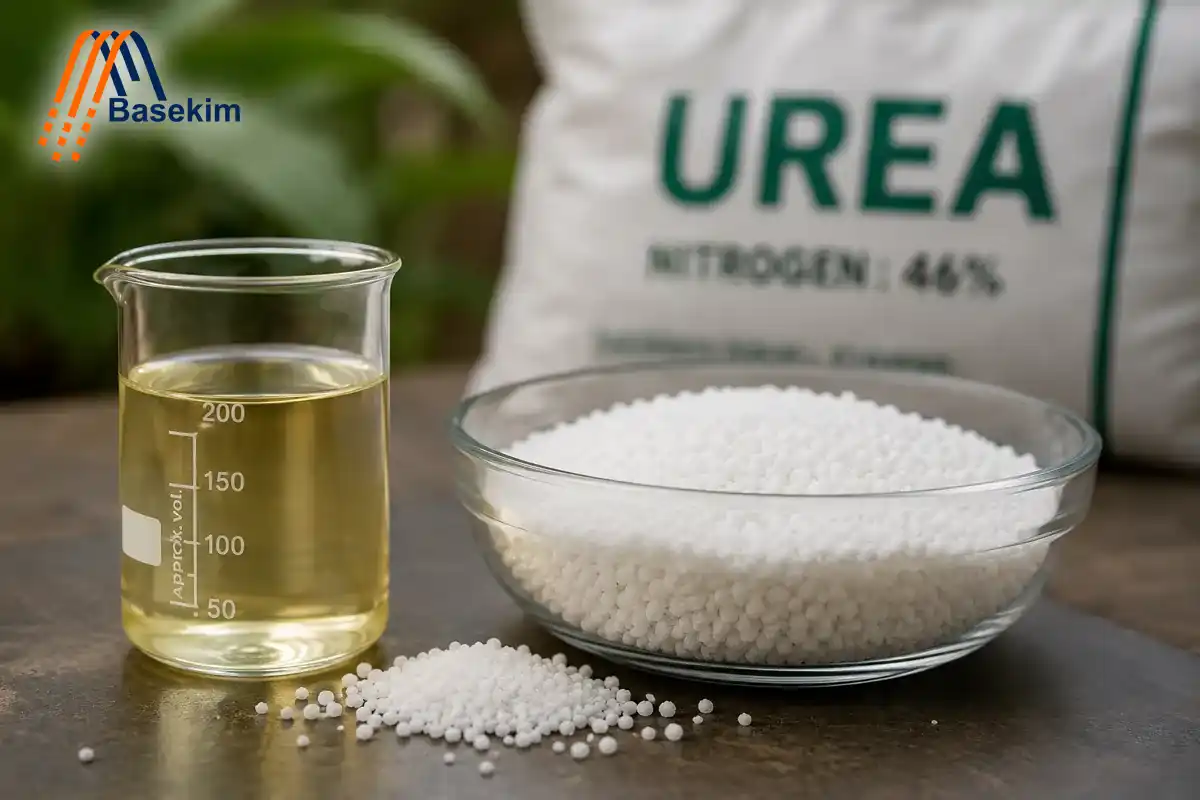
The global fertilizer industry continues to expand rapidly. As agricultural demand increases, manufacturers focus heavily on operational efficiency, equipment durability, and cost control. Consequently, industrial lubrication solutions now play a more strategic role in production facilities worldwide. Among the most widely used industrial lubricants, base oil SN150 in fertilizer production has become essential for maintaining smooth manufacturing processes and improving equipment reliability.
At the same time, industries increasingly prefer recycled base oil for urea fertilizer because it supports sustainability goals while reducing operational expenses. Modern fertilizer plants require stable lubrication performance under demanding conditions. Therefore, high-quality base oils help prevent downtime, reduce maintenance frequency, and support continuous production cycles.
Today, companies seek dependable suppliers that can deliver consistent quality and stable exports. In this competitive market, Basekim has gained recognition as a reliable supplier of base oil SN150, recycled base oil, and urea products for industrial applications.
The Growing Importance of base oil SN150 in fertilizer production
Fertilizer manufacturing plants operate under intense industrial conditions. Equipment often runs continuously for extended periods. As a result, machinery faces constant heat, pressure, and friction. Therefore, selecting the right lubricant becomes critical for maintaining production efficiency.
base oil SN150 in fertilizer production supports several industrial systems because of its balanced viscosity, thermal stability, and oxidation resistance. Furthermore, manufacturers value SN150 for its ability to maintain consistent performance across varying operational temperatures.
In modern fertilizer facilities, lubrication quality directly affects:
Production continuity
Equipment protection
Energy efficiency
Maintenance scheduling
Operational costs
Because fertilizer production depends on uninterrupted processes, industrial operators consistently prioritize reliable lubrication solutions.
Industrial Demand for recycled base oil for urea fertilizer
The global market now favors environmentally responsible industrial practices. Consequently, many manufacturers increasingly adopt recycled base oil for urea fertilizer production systems.
Market Growth in Agricultural Manufacturing
Agricultural expansion drives fertilizer demand worldwide. Countries continue investing heavily in crop productivity and food security. Therefore, fertilizer plants must increase output without significantly raising operational expenses.
Re-refined industrial oils now support this goal effectively. Since recycled base oils undergo advanced purification processes, they provide reliable industrial lubrication while supporting sustainability initiatives.
Moreover, industries seek solutions that align with environmental regulations and carbon reduction strategies.
Rising Need for Cost-Effective Lubrication Solutions
Operational costs remain one of the biggest concerns for fertilizer manufacturers. Energy consumption, maintenance, and equipment replacement create major financial pressure. Therefore, manufacturers increasingly use recycled lubrication products to optimize budgets.
recycled base oil for urea fertilizer applications helps companies:
Reduce lubrication expenses
Lower waste management costs
Extend machinery service intervals
Support circular economy initiatives
Improve sustainability reporting
As a result, recycled industrial oils continue gaining strong market acceptance across fertilizer manufacturing sectors.
Performance Benefits of Base oil SN150 in fertilizer production
Industrial operations require dependable lubrication systems that maintain performance under demanding conditions. Fortunately, SN150 delivers several technical advantages.
Thermal Stability in Continuous Operations
Fertilizer plants often operate 24 hours a day. Therefore, lubricants must tolerate prolonged exposure to heat and mechanical stress.
SN150 maintains stable viscosity during continuous production cycles. Consequently, equipment experiences reduced wear and more efficient performance.
Additionally, thermal stability helps minimize lubricant degradation. This advantage supports longer operational periods between oil replacement schedules.
Oxidation Resistance Under Heavy Loads
Oxidation resistance remains essential in fertilizer manufacturing environments. High temperatures and oxygen exposure can rapidly degrade lower-quality lubricants.
However, high-quality SN150 products resist oxidation effectively. As a result, manufacturers experience:
Cleaner machinery operation
Reduced sludge formation
Improved equipment cleanliness
Better lubrication consistency
These benefits directly improve equipment reliability and production stability.
Improved Machinery Lifespan
Industrial machinery represents a major capital investment. Therefore, fertilizer manufacturers constantly seek methods to extend equipment lifespan.
Proper lubrication significantly reduces internal component wear. Consequently, SN150 helps protect:
Bearings
Compressors
Hydraulic systems
Industrial pumps
Gear assemblies
Because of this protection, maintenance teams experience fewer emergency repairs and lower replacement costs.
Why recycled base oil for urea fertilizer Gains Attention
Industrial sustainability now shapes purchasing decisions worldwide. Therefore, recycled industrial oils continue expanding across manufacturing sectors.
Sustainable Industrial Lubrication
Environmental responsibility has become a key priority for fertilizer producers. Governments and global organizations increasingly encourage sustainable industrial operations.
Using recycled base oil for urea fertilizer supports these objectives because re-refined oils reduce waste generation and conserve natural resources.
Furthermore, modern recycling technologies produce high-quality oils suitable for demanding industrial environments.
Lower Operational Costs
Cost reduction remains critical for industrial profitability. Fortunately, recycled lubrication products often provide substantial economic advantages.
Companies using recycled industrial oils frequently report:
Lower procurement costs
Reduced disposal expenses
Improved maintenance efficiency
Better resource utilization
Therefore, many fertilizer manufacturers now integrate recycled oil strategies into long-term operational planning.
Environmental Advantages
Industrial waste management regulations continue becoming stricter globally. Consequently, businesses must adopt cleaner operational practices.
Re-refined base oils support environmental goals by:
Minimizing oil waste
Reducing crude oil dependency
Lowering industrial emissions
Supporting sustainable manufacturing
As sustainability becomes a competitive advantage, recycled industrial oils continue gaining importance.
Applications of Base oil SN150 in fertilizer production
Modern fertilizer plants contain multiple mechanical systems requiring stable lubrication performance.
Compressors and Pumps
Compressors and pumps operate continuously in fertilizer manufacturing. Therefore, they require consistent lubrication to prevent overheating and mechanical wear.
SN150 supports smooth equipment movement while reducing friction and improving operational reliability.
Hydraulic Systems
Hydraulic systems require stable viscosity for effective pressure transmission. Consequently, fertilizer plants depend on high-quality base oils to maintain hydraulic efficiency.
SN150 provides reliable hydraulic support because it maintains lubrication consistency across varying operating temperatures.
Industrial Gear Systems
Heavy-duty gear systems experience constant stress during fertilizer production. Therefore, proper lubrication becomes essential for protecting internal gear surfaces.
Using quality SN150 products helps reduce friction and prevents premature gear deterioration.
Heat Transfer Equipment
Heat management systems also rely on effective lubrication performance. Since fertilizer production involves high-temperature processes, heat transfer efficiency directly affects productivity.
Consequently, manufacturers select stable industrial oils that maintain performance during thermal exposure.
Key Quality Standards for SN150 and Recycled Base Oil
Industrial buyers prioritize consistent product quality because lubrication performance directly affects manufacturing efficiency.
Viscosity Index Requirements
The viscosity index determines oil stability across temperature variations. Therefore, fertilizer plants require oils with dependable viscosity characteristics.
High-quality SN150 products maintain consistent flow properties, ensuring smooth equipment operation.
Purity and Contamination Control
Contaminants negatively affect industrial machinery performance. Therefore, strict purification standards remain essential for both virgin and recycled base oils.
Advanced refining processes help ensure:
Low sulfur content
Minimal impurities
Stable chemical composition
Cleaner lubrication systems
As a result, equipment experiences improved operational efficiency.
Storage and Transportation Standards
Proper storage and transportation preserve lubricant quality during export and industrial distribution.
Reliable suppliers maintain strict handling procedures to prevent contamination and product degradation.
Why Basekim Is a Trusted Supplier
Industrial buyers need suppliers capable of delivering consistent product quality and reliable international logistics. Therefore, supplier selection significantly affects operational stability.
Basekim continues strengthening its reputation as a dependable supplier of:
Base oil SN150
Recycled base oil
Urea products
Industrial chemical solutions
Reliable Product Availability
Continuous industrial production requires uninterrupted material supply. Therefore, Basekim focuses heavily on stable inventory management and dependable export scheduling.
This consistency helps fertilizer manufacturers avoid operational delays.
Consistent Export Quality
Global buyers demand uniform product specifications across shipments. Consequently, Basekim emphasizes strict quality control standards throughout sourcing and export operations.
Industrial customers benefit from predictable product performance and reliable technical consistency.
Global Supply Capability
International fertilizer markets require strong logistics networks and efficient shipping coordination.
Basekim supports global customers through organized export operations and responsive supply chain management. Therefore, buyers can maintain production continuity with confidence.
For more industrial insights, visit Basekim
Future Trends Base oil SN150 in fertilizer production
Industrial lubrication continues evolving rapidly alongside sustainability initiatives and operational efficiency goals.
Sustainable Production Strategies
Manufacturers increasingly invest in environmentally responsible production methods. Therefore, sustainable lubrication products will continue expanding in fertilizer industries.
Re-refined oils now represent a major part of industrial sustainability planning.
Circular Economy and Re-Refined Oils
The circular economy concept encourages material reuse and waste reduction. Consequently, recycled industrial oils perfectly align with modern manufacturing objectives.
As refining technologies improve, recycled lubrication products will likely gain even stronger market acceptance worldwide.
FAQ Base oil SN150 in fertilizer production
Why is base oil SN150 in fertilizer production widely used?
SN150 offers stable viscosity, oxidation resistance, and reliable thermal performance, making it suitable for continuous industrial operations.
What are the advantages of recycled base oil for urea fertilizer?
Recycled base oil reduces operational costs, supports sustainability goals, and minimizes industrial waste generation.
How does SN150 improve machinery performance?
SN150 reduces friction, protects internal components, and helps extend equipment lifespan in demanding industrial environments.
Why do fertilizer plants need high-quality lubrication?
High-quality lubrication minimizes downtime, improves operational efficiency, and reduces maintenance expenses.
What industries commonly use recycled industrial oils?
Many industries use recycled oils, including fertilizer manufacturing, heavy machinery, transportation, and industrial processing sectors.
Why do buyers choose Basekim for industrial supply?
Buyers trust Basekim because of its consistent product quality, reliable exports, and dependable global supply capability.
Conclusion: Base oil SN150 in fertilizer production
The fertilizer industry depends heavily on operational efficiency, equipment protection, and sustainable production practices. Consequently, base oil SN150 in fertilizer production continues playing a critical role in maintaining industrial reliability and manufacturing continuity.
At the same time, growing environmental awareness drives demand for recycled base oil for urea fertilizer applications. Manufacturers increasingly recognize the economic and sustainability advantages of re-refined industrial oils.
As global agricultural demand expands, fertilizer plants will continue seeking high-performance lubrication solutions that improve productivity while supporting environmental goals. Therefore, reliable suppliers such as Basekim remain essential partners for industries requiring consistent access to quality base oil SN150, recycled base oil, and urea products.