The iron industry depends on a wide range of chemicals to maintain efficiency, improve product quality, and optimize production processes. Among these essential chemicals, caustic soda in iron industry applications plays a critical role. Also known as sodium hydroxide (NaOH), caustic soda is a highly versatile alkaline compound used in cleaning, surface treatment, water treatment, and waste management operations across iron and steel manufacturing facilities.
As global iron production continues to grow, manufacturers increasingly seek cost-effective and environmentally responsible solutions. Consequently, the demand for high-quality caustic soda has risen significantly. From removing contaminants to controlling pH levels, this powerful chemical contributes to smoother operations and enhanced productivity.
In this article, we will explore the importance of caustic soda in the iron industry, its key applications, benefits, handling requirements, and why choosing a trusted supplier such as Basekim is essential for operational success.
Importance of Caustic Soda in Iron Industry
The iron industry operates under demanding conditions that require clean surfaces, efficient chemical reactions, and strict environmental compliance. Therefore, manufacturers rely on caustic soda to achieve these goals.
Caustic soda offers several advantages:
Removes grease, oil, and contaminants
Improves equipment performance
Supports water treatment systems
Enhances process efficiency
Reduces operational downtime
Assists in waste treatment and environmental management
As a result, sodium hydroxide has become an indispensable chemical throughout many stages of iron production.
Major Applications of Caustic Soda in Iron Industry
1. Surface Cleaning and Degreasing
One of the most common applications of caustic soda in iron industry operations is surface cleaning.
Before iron products undergo coating, galvanizing, painting, or further processing, manufacturers must remove contaminants such as:
Oils
Grease
Dirt
Organic residues
Lubricants
Caustic soda effectively breaks down these substances through chemical reactions. Consequently, it creates cleaner metal surfaces and improves adhesion during subsequent treatments.
Moreover, clean surfaces help reduce defects and enhance product quality.
2. Equipment Cleaning and Maintenance
Industrial equipment accumulates deposits, oils, and residues over time. If these contaminants remain untreated, they can reduce operational efficiency and increase maintenance costs.
Therefore, iron plants use sodium hydroxide solutions to clean:
Pipes
Tanks
Heat exchangers
Processing equipment
Storage vessels
Because caustic soda dissolves organic materials effectively, it helps maintain equipment performance and extends service life.
Additionally, routine cleaning reduces production interruptions and minimizes unexpected shutdowns.
3. Water Treatment in Iron Manufacturing
Water plays a vital role in cooling systems, cleaning operations, and process management within iron plants.
However, untreated water can cause:
Corrosion
Scaling
Process inefficiencies
Environmental compliance issues
For this reason, caustic soda is widely used in industrial water treatment systems.
Its primary functions include:
pH adjustment
Neutralization of acidic streams
Water conditioning
Heavy metal precipitation support
As a result, iron manufacturers can improve water quality while protecting equipment and meeting regulatory requirements.
4. Wastewater Neutralization
Iron production generates wastewater containing acidic compounds and contaminants. Environmental regulations require companies to treat this wastewater before discharge.
Caustic soda provides an effective solution by neutralizing acidic effluents.
The benefits include:
Safer wastewater disposal
Improved environmental compliance
Reduced ecological impact
Enhanced treatment efficiency
Furthermore, sodium hydroxide supports precipitation processes that remove dissolved metals from wastewater streams.
Therefore, it plays a critical role in sustainable iron manufacturing practices.
5. Removal of Rust and Surface Impurities
Rust and oxide layers can negatively affect the quality of iron products. Although acids are often used for pickling operations, caustic soda frequently supports cleaning and preparation stages.
In many facilities, alkaline cleaning solutions containing sodium hydroxide help remove:
Surface contaminants
Organic deposits
Residual coatings
Consequently, the metal surface becomes more suitable for further treatment processes.
6. Gas Scrubbing Applications
Iron manufacturing operations may produce gases that contain acidic components. To comply with environmental standards, plants often use scrubbing systems.
Caustic soda acts as an effective neutralizing agent in these systems.
Its advantages include:
Removal of acidic gases
Improved air quality
Reduced emissions
Better environmental performance
As environmental regulations become stricter, the role of sodium hydroxide in emission control continues to expand.
7. Chemical Processing Support
Many iron production facilities operate integrated chemical treatment systems. These systems require precise pH control and chemical balance.
Caustic soda supports:
Chemical reaction optimization
Process stabilization
Alkalinity control
Production consistency
Because of its reliability and effectiveness, sodium hydroxide remains a preferred alkaline chemical across the industry.
Benefits of Using Caustic Soda in Iron Industry
Improved Production Efficiency
Efficient cleaning and process control contribute directly to higher productivity. Since caustic soda removes contaminants quickly, manufacturers can reduce downtime and maintain smooth operations.
As a result, production efficiency improves significantly.
Enhanced Product Quality
Clean metal surfaces are essential for high-quality iron products.
By removing oils, dirt, and residues, sodium hydroxide helps achieve:
Better coating adhesion
Improved surface finish
Reduced defects
Greater product consistency
Therefore, manufacturers can meet higher quality standards.
Cost Reduction
Although chemical expenses represent a portion of operational costs, effective cleaning and maintenance help reduce overall expenditures.
Caustic soda contributes to cost savings through:
Lower maintenance requirements
Reduced equipment wear
Fewer production interruptions
Improved process efficiency
Consequently, companies achieve better long-term profitability.
Environmental Compliance
Environmental regulations continue to evolve worldwide.
Fortunately, caustic soda supports compliance by:
Neutralizing acidic waste streams
Assisting wastewater treatment
Reducing harmful emissions
Supporting sustainable operations
Thus, iron manufacturers can operate more responsibly and avoid regulatory penalties.
Versatility
Few industrial chemicals offer the versatility of sodium hydroxide.
Its applications extend across:
Cleaning
Water treatment
Waste management
Emission control
Process optimization
Because one chemical can perform multiple functions, inventory management becomes simpler and more efficient.
Safety Considerations When Handling Caustic Soda
Although caustic soda provides numerous industrial benefits, it requires proper handling due to its highly corrosive nature.
Manufacturers should follow strict safety procedures, including:
Personal Protective Equipment (PPE)
Workers should wear:
Chemical-resistant gloves
Safety goggles
Face shields
Protective clothing
Appropriate footwear
Proper Storage
Caustic soda should be stored:
In dry conditions
Away from acids
In corrosion-resistant containers
In well-ventilated areas
Employee Training
Regular training programs help workers understand:
Safe handling procedures
Emergency response protocols
Spill management techniques
First-aid measures
Emergency Preparedness
Facilities should maintain:
Emergency showers
Eyewash stations
Spill containment equipment
Safety documentation
By following these precautions, companies can minimize risks and maintain safe working environments.
Choosing the Right Caustic Soda Supplier in Iron Industry
The quality of caustic soda directly affects production efficiency and operational reliability. Therefore, selecting a trusted supplier is essential.
When evaluating suppliers, consider the following factors:
Product Quality
High-purity sodium hydroxide ensures:
Consistent performance
Reliable results
Reduced contamination risks
Supply Reliability
Industrial operations require uninterrupted chemical availability.
A dependable supplier should provide:
Consistent inventory
Timely deliveries
Global logistics support
Technical Expertise
Experienced suppliers can help customers:
Select appropriate grades
Optimize chemical usage
Improve process performance
Compliance Standards
The supplier should meet international quality and safety standards to ensure reliable products and responsible business practices.
Basekim: A Trusted Supplier of Caustic Soda for the Iron Industry
For companies seeking a reliable source of sodium hydroxide, Basekim stands out as a trusted supplier of caustic soda for iron industry applications.
Basekim supplies high-quality caustic soda products that meet the demanding requirements of industrial operations worldwide.
Key advantages of choosing Basekim include:
Consistent product quality
Reliable global supply network
Competitive pricing
Professional customer support
Extensive experience in industrial chemical distribution
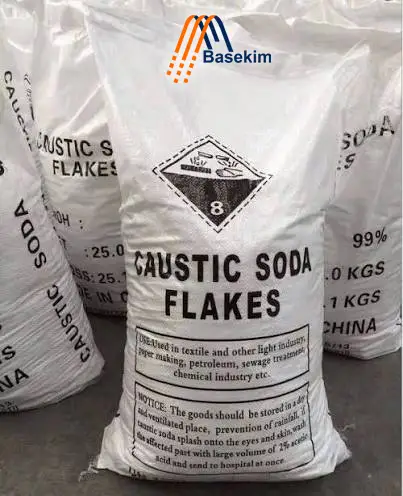
Whether manufacturers require caustic soda flakes, pearls, or liquid solutions, Basekim offers dependable sourcing solutions tailored to industrial needs.
Furthermore, Basekim works closely with customers to ensure uninterrupted supply and optimal product performance across various iron and steel manufacturing processes.
Future Outlook of Caustic Soda in Iron Industry
The future of the iron industry increasingly focuses on sustainability, efficiency, and environmental responsibility. Consequently, the demand for effective industrial chemicals will continue to grow.
Several trends are expected to drive increased use of caustic soda:
Advanced wastewater treatment systems
Stricter environmental regulations
Improved emission control technologies
Greater emphasis on equipment efficiency
Expansion of global iron production
As these developments continue, sodium hydroxide will remain a vital component of modern iron manufacturing operations.
Moreover, innovations in chemical treatment technologies may create new opportunities for using caustic soda throughout the production cycle.
Conclusion: Caustic Soda in iron industry
The importance of caustic soda in iron industry operations cannot be overstated. From surface cleaning and equipment maintenance to water treatment and environmental management, sodium hydroxide supports numerous critical processes that enhance productivity and product quality.
Its versatility, effectiveness, and cost-efficiency make it one of the most valuable chemicals used in iron manufacturing facilities worldwide. Additionally, its role in wastewater treatment and emission control helps companies meet increasingly demanding environmental standards.
However, achieving the full benefits of caustic soda depends on sourcing high-quality products from a reliable supplier. For this reason, Basekim is a trusted partner for businesses seeking premium caustic soda solutions for iron industry applications.
By choosing quality sodium hydroxide and implementing proper handling practices, iron manufacturers can improve operational efficiency, reduce costs, maintain environmental compliance, and strengthen their competitive position in the global market.