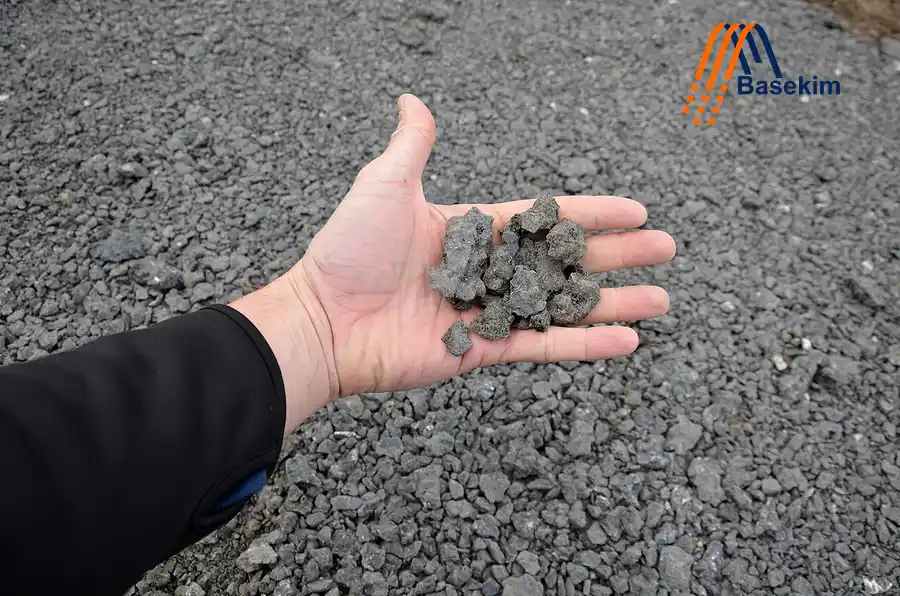
Recycled Asphalt Pavement (RAP) is reclaimed road material that contains reusable asphalt binder and aggregates from existing pavement. Contractors recover RAP through milling, crushing, or pavement removal, then process it for use in new asphalt mixtures, road bases, and rehabilitation projects. By replacing part of the virgin bitumen and aggregate, RAP can reduce material costs, limit natural resource consumption, and support more sustainable road construction. However, successful asphalt recycling depends on more than adding reclaimed material to a new mixture. Engineers must evaluate aged binder properties, aggregate gradation, moisture content, and the compatibility of new and recycled asphalt. When contractors control these factors, they can produce recycled asphalt mixtures that deliver reliable strength, flexibility, and long-term pavement performance.
What Is Recycled Asphalt Pavement?
Recycled Asphalt Pavement, also known as Reclaimed Asphalt Pavement, consists of asphalt and mineral aggregates that contractors recover from existing roads, highways, parking areas, and other paved surfaces.
Unlike many construction wastes, old asphalt retains valuable components. Its stone aggregates remain useful, while its asphalt binder can contribute to the bonding properties of a newly designed pavement mixture.
During pavement service, environmental exposure and traffic gradually change the binder’s physical properties. Heat, oxygen, sunlight, and repeated loading contribute to asphalt aging. As a result, reclaimed binder often becomes stiffer than newly manufactured asphalt binder.
Nevertheless, engineers can incorporate RAP into fresh asphalt mixtures by selecting suitable virgin bitumen, controlling recycled material proportions, and adjusting production conditions.
RAP therefore acts as both a recycled aggregate source and a potential asphalt binder source, making it particularly valuable for pavement rehabilitation and modern asphalt production.
How Is Recycled Asphalt Pavement Produced?
The RAP production process starts when contractors remove damaged, aged, or unnecessary pavement layers. They then prepare the recovered asphalt for reuse.
1. Asphalt Milling and Pavement Removal
Contractors use cold milling machines to remove a controlled thickness of asphalt without unnecessarily disturbing the underlying pavement structure.
Milling produces asphalt particles that contain both aggregate and aged binder. Contractors can also recover RAP by breaking and removing full-depth asphalt layers.
The recovery method affects particle size, contamination risk, and processing requirements.
2. Crushing and Screening
After collection, operators transport the recovered pavement to a processing facility.
Crushers reduce oversized material, while screening equipment separates particles into suitable size fractions.
This step improves grading consistency and helps asphalt producers manage the recycled aggregate composition.
For higher RAP applications, producers often separate fine and coarse fractions because these materials may contain different binder percentages.
3. RAP Stockpiling and Storage
Proper storage plays an important role in material consistency.
Asphalt producers should place RAP stockpiles on stable, well-drained surfaces and separate materials from different sources when their properties vary significantly.
Furthermore, covered storage can reduce excessive moisture accumulation, particularly in fine RAP.
High moisture does not automatically make the material unsuitable. However, wet RAP increases drying energy requirements and can disrupt plant production.
4. Material Testing and Classification
Before production, laboratories evaluate the physical and chemical characteristics of reclaimed asphalt.
Key tests include aggregate gradation, asphalt binder content, moisture content, and recovered binder properties when the mix design requires them.
Engineers then classify RAP into suitable material streams and establish its acceptable contribution to the final asphalt mixture.
5. Mixing with New Asphalt Materials
Finally, asphalt plants combine RAP with virgin aggregate and fresh binder in controlled proportions.
Depending on the mixture design, producers may also incorporate warm mix asphalt additives or recycling agents.
The result is a new engineered asphalt mixture that incorporates reclaimed pavement materials.
Recycled Asphalt Pavement Composition and Properties
RAP does not have one universal chemical or physical specification. Its composition changes according to the original pavement design, service history, aggregate source, and recovery process.
The following table outlines the characteristics that engineers should evaluate before selecting RAP for a project.
| Property | Description | Engineering Importance |
|---|---|---|
| Asphalt binder content | Existing binder percentage by mass | Determines potential binder replacement |
| Aggregate gradation | Distribution of particle sizes | Controls mixture structure and volumetrics |
| RAP moisture content | Water retained in reclaimed material | Influences drying energy and production |
| Recovered binder stiffness | Rheological characteristics of aged binder | Affects cracking and rutting resistance |
| Aggregate quality | Strength, shape, and durability | Influences structural performance |
| Material variability | Differences among stockpile samples | Determines production consistency |
| Contamination | Unwanted soil, debris, or foreign materials | Affects mix quality and compliance |
Contractors should not evaluate RAP only through its appearance. Two stockpiles may look almost identical while containing significantly different binder proportions or aggregate gradations.
Therefore, laboratory testing provides more reliable information than visual inspection.
Recycled Asphalt Pavement Percentage in Asphalt Mixes
One of the most common engineering questions concerns the maximum amount of RAP that contractors can incorporate into a new asphalt mixture.
The answer depends on local specifications, traffic conditions, binder characteristics, plant capabilities, and the required pavement performance.
For general planning purposes, engineers often discuss RAP mixtures using the following ranges.
| RAP Content by Mixture Mass | Practical Considerations |
|---|---|
| 5–15% | Relatively straightforward integration under many conventional mix designs |
| 15–25% | Greater attention to recycled binder contribution and binder grade |
| 25–40% | More detailed binder evaluation, quality control, and performance testing |
| Above 40% | Specialized mix design, production control, and performance validation |
These ranges serve as engineering categories, not universal permissible limits. Highway agencies may use different thresholds.
Higher RAP contents generally require greater attention to material characterization, binder selection, and quality control.
Why Higher RAP Content Does Not Always Mean Better Asphalt
Increasing the recycled material percentage can reduce demand for new aggregates and binder. However, higher RAP content also increases the influence of aged asphalt.
A mixture that contains too much stiff reclaimed binder may lose flexibility and become more susceptible to fatigue or low-temperature cracking.
Therefore, engineers should target the highest technically and economically suitable RAP percentage, rather than automatically choosing the maximum possible replacement.
RAP Binder Content vs. RAP Percentage: An Important Difference
Many asphalt specifications express recycled content as a percentage of the total mixture. However, this measurement does not fully describe the contribution of reclaimed asphalt binder.
Consider two RAP stockpiles:
Stockpile A contains 4% asphalt binder.
Stockpile B contains 6% asphalt binder.
If a contractor adds 30% RAP from either stockpile, the total mass of reclaimed material remains equal. Nevertheless, the amount of reclaimed binder entering the mixture differs substantially.
This distinction influences the required virgin binder dosage and potentially the final mixture stiffness.
Example: Calculating Reclaimed Binder Ratio
Assume an asphalt producer designs a mixture with the following properties:
| Parameter | Value |
|---|---|
| Total asphalt mixture | 1,000 kg |
| RAP content | 30% |
| RAP binder content | 5% |
| Required total binder content | 5% |
| Reclaimed binder in mixture | 15 kg |
| Total required binder | 50 kg |
Reclaimed Binder Ratio = (15 ÷ 50) × 100 = 30%
Of the total design binder quantity, 30% comes from reclaimed asphalt, assuming full binder availability.
This example highlights why asphalt engineers should evaluate both the total RAP percentage and the reclaimed binder ratio.
In practice, aged binder may not fully blend with new binder. Therefore, laboratories must verify the effective binder contribution and mixture performance rather than assuming complete blending.
Benefits of Recycled Asphalt Pavement
Reduced Demand for Virgin Bitumen
RAP contains existing asphalt binder that can replace part of the fresh binder requirement.
Because bitumen contributes significantly to asphalt production costs, properly designed RAP mixtures may offer meaningful material savings.
Lower Aggregate Consumption
Reclaimed pavement also contains mineral aggregates.
Reusing these aggregates reduces the need for quarrying, crushing, transporting, and processing entirely new materials.
Potential Reduction in Project Costs
Asphalt recycling can reduce material purchases and, in suitable circumstances, transportation and disposal expenses.
However, actual savings depend on processing costs, fuel consumption, RAP moisture, plant efficiency, and transport distance.
Environmental Advantages
RAP helps reduce waste generation and supports more efficient resource use.
In addition, recycling can lower the demand for virgin petroleum-based binder and newly extracted aggregates.
The environmental benefit should still be assessed across the full production process, including processing energy, drying requirements, transportation, and pavement service life.
Improved Resource Security
Asphalt producers that maintain reliable RAP inventories can reduce part of their dependence on fluctuating virgin material supplies.
Consequently, recycling can become a practical material procurement strategy rather than only an environmental initiative.
Recycled Asphalt Pavement vs. Virgin Asphalt
Although RAP mixtures reuse existing materials, their performance depends on engineering design rather than recycled content alone.
| Factor | Recycled Asphalt Pavement | Virgin Asphalt |
|---|---|---|
| Main materials | Reclaimed and new materials | New binder and aggregates |
| Material cost | Potentially lower | Greater reliance on virgin materials |
| Binder condition | Contains aged binder | Uses newly supplied binder |
| Aggregate demand | Lower | Higher |
| Mixture flexibility | Requires binder balance | Controlled through new binder selection |
| Cracking resistance | Depends on RAP content and mix design | Depends on binder grade and mix design |
| Environmental impact | Can reduce resource use | Requires more virgin resources |
| Quality control | Requires RAP characterization | Requires conventional material testing |
The key difference is material predictability. Virgin asphalt producers control the original ingredients more directly, while RAP producers must first understand the properties of recovered pavement.
However, a properly engineered recycled mixture can achieve performance comparable to conventional asphalt mixtures.
The Role of Bitumen in Recycled Asphalt Pavement
Bitumen selection plays a central role in asphalt recycling because RAP already contains aged binder.
Over time, oxidation changes the chemical balance of asphalt binder and generally increases its stiffness. Fresh binder must therefore provide suitable workability and help the recycled mixture meet its required performance characteristics.
For example, engineers may evaluate the following products when developing recycled asphalt mixtures:
Bitumen 60/70: A conventional penetration-grade binder used in road construction, subject to project requirements.
Bitumen 80/100: A softer penetration-grade option that engineers may evaluate when balancing aged RAP binder.
Performance Grade Bitumen: Climate- and performance-based grades that support binder selection under specified pavement conditions.
Polymer Modified Bitumen: Specialized binders that engineers may use where enhanced performance properties are necessary.
However, engineers should never select a binder solely by comparing nominal penetration values. They must also account for climatic conditions, reclaimed binder properties, mixture design, and project specifications.
Basekim supplies road construction bitumen, including penetration and performance-grade products that asphalt producers can evaluate for new and recycled pavement applications.
Can Recycled Asphalt Use Bitumen 60/70?
Yes. Asphalt producers can use Bitumen 60/70 in suitable RAP mixtures when testing confirms that the combined material meets project requirements.
However, higher RAP contents may require a softer virgin binder or other adjustments to achieve the intended cracking resistance.
Likewise, high-temperature rutting resistance remains important. Producers must balance both performance requirements instead of prioritizing flexibility alone.
How to Improve Recycled Asphalt Pavement Performance
Successful RAP production requires an integrated approach that combines material testing, binder selection, plant operation, and pavement construction.
Control RAP Moisture Before Production
Moisture remains one of the most overlooked cost factors in asphalt recycling.
When wet RAP enters an asphalt plant, the equipment must consume additional energy to remove the water.
This process may increase fuel consumption, slow production, and complicate temperature control.
Therefore, contractors should monitor moisture regularly and improve stockpile drainage where necessary.
Separate RAP According to Particle Size
Fine RAP frequently contains a relatively high binder concentration compared with coarse fractions.
Consequently, uncontrolled changes in fine RAP content can influence the binder contribution and combined aggregate gradation.
By separating different particle sizes, producers gain greater control over mixture composition.
Match Virgin Binder to Reclaimed Binder
Engineers should select fresh binder according to the final mixture’s performance requirements.
For higher RAP mixtures, recovered binder characterization and blending analysis help determine whether the fresh binder can adequately balance the aged material.
Use Recycling Agents Carefully
Some recycled asphalt mixtures incorporate recycling agents, often called asphalt rejuvenators.
These products aim to modify the properties of aged asphalt binder and improve the flexibility of recycled mixtures.
Nevertheless, an unsuitable dosage may reduce rutting resistance or create other performance problems.
Therefore, producers should evaluate the complete mixture, not just changes in binder softness.
Verify Compaction and Pavement Density
Even a carefully designed asphalt mixture can fail prematurely if contractors do not achieve adequate field density.
Insufficient compaction can increase permeability and accelerate moisture damage.
Accordingly, crews should control placement temperature, rolling patterns, and final pavement density.
A New Practical Approach: Evaluate RAP by Its Usable Value, Not Just Its Weight
A common purchasing approach treats every ton of reclaimed asphalt as a similar material-saving opportunity.
However, that method overlooks the practical differences between RAP sources.
We propose a more useful assessment framework: RAP Usable Value Assessment.
This framework provides a practical approach to evaluating reclaimed asphalt for project planning. It does not replace laboratory testing or established pavement specifications.
Instead of asking only how much RAP a contractor can add, the assessment considers five important factors.
1. Binder Contribution
How much usable reclaimed binder can the material provide?
Engineers should measure the existing binder percentage and evaluate the extent to which the binder can contribute to the new mixture.
2. Aggregate Suitability
Does the recovered aggregate satisfy the required gradation and quality?
The aggregate should meet the physical and mechanical requirements of the intended pavement layer.
3. Material Consistency
How much do binder content and gradation vary across the stockpile?
Consistent RAP allows producers to control mixture properties more effectively and reduce unexpected production adjustments.
4. Processing Demand
How much screening, crushing, drying, and handling does the material require?
Additional processing can reduce the economic advantages of low-priced reclaimed asphalt.
5. Performance Compatibility
Can the recycled material meet the required cracking, rutting, and durability performance?
Engineers should confirm that the final mixture satisfies the project’s performance requirements.
Why This Evaluation Method Matters
This approach helps contractors recognize that the cheapest RAP stockpile does not necessarily provide the lowest production cost.
For example, a low-priced stockpile with excessive moisture, inconsistent grading, or contaminated material may require significant additional processing.
Meanwhile, a slightly more expensive but consistent RAP supply may improve plant efficiency and reduce quality-control problems.
The practical objective is to maximize the value of the reclaimed material after processing and performance requirements, rather than simply maximize its percentage in the mix.
Recycled Asphalt Pavement Cost and Price Factors
Recycled Asphalt Pavement price varies by region, processing level, material quality, and intended application.
Suppliers may quote unprocessed milled asphalt differently from crushed and screened RAP ready for asphalt production.
The most important pricing factors include:
RAP source: Material recovered from a consistent pavement source may require less sorting.
Processing requirements: Crushing, screening, and fractionation add production costs.
Moisture content: Wet material increases the energy required during asphalt production.
Transportation distance: Hauling costs can significantly affect delivered RAP price.
Binder content: Higher binder content may improve replacement potential, provided the binder is suitable.
Project specifications: High-performance asphalt mixtures may require additional laboratory testing.
Therefore, contractors should compare the delivered and processed cost of usable RAP rather than purchase price alone.
Recycled Asphalt Pavement Applications
1. Highway and Road Construction
Contractors incorporate RAP into asphalt surface, binder, and base courses where specifications permit.
Proper mix design allows reclaimed materials to contribute to pavement performance while reducing virgin material consumption.
2. Parking Lots and Industrial Areas
RAP can support parking areas, commercial access roads, and industrial pavements.
Engineers adjust the mixture to match traffic loading, structural requirements, and expected service conditions.
3. Road Base and Subbase Layers
Processed reclaimed asphalt can serve as an unbound or stabilized pavement material when gradation, compaction, drainage, and local specifications support its use.
4. Pavement Rehabilitation
Contractors use RAP in asphalt recycling strategies that restore existing roads while limiting material removal and replacement.
These applications can help road agencies manage maintenance budgets and reduce construction waste.
Challenges and Limitations of RAP
Although recycled asphalt offers substantial benefits, contractors must address several technical challenges.
Asphalt Binder Aging
Old binder generally becomes stiffer through oxidation and long-term environmental exposure.
High recycled binder contributions may increase cracking risk unless the mixture incorporates appropriate design adjustments.
Variable Material Quality
Different roads contain different aggregates, binder types, and construction materials.
Mixing RAP from multiple uncontrolled sources can create inconsistent production results.
Incomplete Binder Blending
Not all reclaimed binder necessarily combines completely with the new binder during mixing.
Therefore, calculations that assume full binder availability may overestimate the reclaimed binder contribution.
Plant Production Limitations
Some asphalt plants have practical limitations on RAP feed rates, heating, and handling.
A mixture that performs well in laboratory testing must also remain practical to manufacture consistently.
Performance Verification
Engineers must evaluate recycled mixtures for cracking, rutting, moisture susceptibility, and other relevant properties.
The required tests depend on the project’s pavement specifications and performance expectations.
Recycled Asphalt Pavement and Warm Mix Asphalt
Warm Mix Asphalt (WMA) technology provides another opportunity to improve asphalt production.
WMA techniques allow producers to manufacture and compact suitable asphalt mixtures at lower temperatures than conventional hot mix asphalt.
When engineers combine RAP with appropriate WMA technology, they may reduce production energy requirements while maintaining workable mixtures.
However, adding RAP to warm mix asphalt requires attention to reclaimed binder activation, moisture removal, and compaction temperature.
Lower production temperatures do not automatically guarantee adequate binder blending.
Therefore, plants should validate their RAP and WMA combinations through appropriate mixture testing and production trials.
Future of Recycled Asphalt Pavement in Road Construction
The next stage of asphalt recycling will likely focus less on simply increasing recycled percentages and more on achieving predictable performance.
Three developments offer particularly valuable opportunities.
Digital RAP Material Tracking
Digital material tracking can improve RAP consistency.
Asphalt producers can record where each reclaimed stockpile originated, its laboratory properties, and its performance in previous mixtures.
This information can help engineers make more reliable decisions about material selection and recycling rates.
Performance-Based Asphalt Mix Design
Performance-based mixture design can support more reliable high-RAP applications.
Instead of relying exclusively on recycled content limits, engineers can evaluate whether the actual mixture satisfies cracking and rutting requirements.
This approach may allow producers to increase recycled material use without compromising pavement quality.
Improved RAP Stockpile Management
Better stockpile management can improve both cost efficiency and environmental outcomes.
Reducing moisture, contamination, and material variability may provide significant benefits without changing the nominal RAP percentage.
Ultimately, successful asphalt recycling depends on better engineering decisions rather than a single target recycling rate.
Frequently Asked Questions About Recycled Asphalt Pavement
1. What Is Recycled Asphalt Pavement (RAP)?
Recycled Asphalt Pavement is reclaimed road material that contains asphalt binder and aggregates. Contractors recover it from existing pavements and reuse it in new asphalt mixtures, road bases, or pavement rehabilitation projects.
2. Is Recycled Asphalt Pavement as Good as New Asphalt?
Properly designed recycled asphalt mixtures can deliver performance comparable to conventional asphalt. However, results depend on RAP quality, binder selection, recycled content, mixture testing, and construction practices.
3. What Percentage of RAP Can Be Used in New Asphalt?
RAP percentages vary according to project specifications and mix design. Many projects use relatively modest recycling rates, while specialized mixtures can incorporate substantially higher percentages after engineering evaluation.
4. Does Recycled Asphalt Pavement Need New Bitumen?
RAP mixtures commonly require fresh asphalt binder to achieve the desired total binder content and performance. The required amount depends on the reclaimed binder content, its effective contribution, and the mixture design.
5. What Is the Difference Between RAP and Crushed Asphalt?
RAP refers to recovered asphalt pavement material, while crushed asphalt generally describes material that has undergone size reduction. Crushed asphalt may be a processed form of RAP, but terminology varies by market.
6. Is Recycled Asphalt Pavement Environmentally Friendly?
RAP can reduce virgin binder consumption, aggregate extraction, and construction waste. However, its full environmental performance depends on processing energy, transportation, moisture conditions, and pavement durability.
7. How Long Does Recycled Asphalt Last?
There is no universal lifespan for recycled asphalt. Pavement service life depends on traffic, climate, mixture properties, drainage, structural design, compaction, and maintenance.
8. What Is the Difference Between Hot Mix Recycled Asphalt and Cold Recycled Asphalt?
Hot mix recycling uses elevated temperatures to produce asphalt mixtures with RAP. Cold recycling typically processes existing pavement with suitable stabilizing agents without conventional hot mix production temperatures. Each method serves different pavement rehabilitation requirements.
Conclusion
Recycled Asphalt Pavement (RAP) offers a practical way to reduce virgin material consumption, improve resource efficiency, and control road construction costs. However, the value of RAP depends on how effectively engineers manage aged binder, aggregate gradation, moisture, and material variability.
Contractors can improve recycled asphalt performance by testing reclaimed materials, selecting compatible virgin binders, managing stockpiles, and verifying mixture performance.
Rather than treating RAP percentage as the only measure of successful recycling, asphalt producers should focus on the usable value of their reclaimed materials and the long-term durability of the pavement they construct.