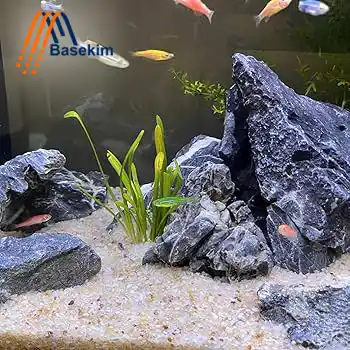
Choosing the right substrate is one of the most important steps in building a healthy, beautiful aquarium. Among the many options available, silica sand for aquarium substrate stands out as a practical, affordable, and highly effective choice. Whether you’re setting up a freshwater tank, aquascape, or even certain marine systems, silica sand offers a natural look, excellent functionality, and long-term stability.
This guide explores everything you need to know about using silica sand in aquariums—its benefits, characteristics, grades, and why sourcing from a reliable supplier like Basekim makes a difference.
Why Use Silica Sand for Aquarium Substrate?
Silica sand has gained popularity among aquarists for several good reasons. Its versatility and neutral properties make it suitable for a wide range of aquarium setups.
1. Natural Appearance
Silica sand creates a clean, natural look that mimics riverbeds and lake floors. Its light color brightens the aquarium and enhances the visibility of fish and plants.
2. Chemically Inert
One of the biggest advantages of silica sand for aquarium substrate is that it is chemically inert. It does not alter water pH, hardness, or chemistry, making it safe for most aquatic species.
3. Smooth Texture
High-quality silica sand has smooth, rounded grains. This is especially important for bottom-dwelling fish like corydoras and loaches, as it prevents injuries to their delicate barbels.
4. Cost-Effective
Compared to specialty aquarium substrates, silica sand is highly affordable. It offers excellent value without compromising quality.
5. Supports Beneficial Bacteria
The fine grains provide a large surface area for beneficial bacteria to colonize. These bacteria play a key role in the nitrogen cycle, helping maintain water quality.
Key Characteristics of Silica Sand
When selecting silica sand for aquarium substrate, understanding its properties helps ensure the best results.
Grain Size
Grain size is one of the most important factors. Too fine, and it may compact; too coarse, and it may not support plants effectively.
Color
Silica sand typically comes in white, off-white, or light beige tones. These colors reflect light well and enhance the overall brightness of the aquarium.
Purity
High-purity silica sand contains minimal impurities like clay, silt, or organic matter. This ensures clear water and a cleaner tank environment.
Density
Silica sand is dense enough to anchor plants while still allowing water to flow through it, preventing anaerobic pockets when properly maintained.
Common Silica Sand Grades for Aquariums
Different grades of silica sand are available depending on grain size and application. Choosing the right grade is essential for achieving the desired look and performance.
Fine Grade (0.1–0.5 mm)
Ideal for planted aquariums
Creates a smooth, soft surface
Suitable for delicate fish species
May require occasional stirring to prevent compaction
Medium Grade (0.5–1.0 mm)
Most popular choice for general aquariums
Balanced drainage and plant support
Easy to clean and maintain
Works well for community tanks
Coarse Grade (1.0–2.0 mm)
Better water flow through substrate
Reduces risk of anaerobic zones
Suitable for tanks with strong filtration
Less ideal for delicate bottom feeders
Ultra-Fine Silica Sand
Often used for decorative aquascaping
Creates a sleek, modern look
Requires careful maintenance to avoid cloudiness
Suppliers like Basekim offer a range of silica sand grades tailored for various applications, including aquarium use. Their consistent quality ensures uniform grain size and high purity.
Benefits for Aquarium Plants
Silica sand can be an excellent base for planted aquariums when used correctly.
Root Support
The fine grains allow plant roots to anchor securely while still accessing nutrients from the water column or added fertilizers.
Nutrient Control
Unlike nutrient-rich substrates, silica sand gives aquarists full control over fertilization. This helps prevent algae growth caused by excess nutrients.
Compatibility with Root Tabs
Silica sand works well with root tabs, which provide essential nutrients directly to plant roots.
Considerations When Using Silica Sand
While silica sand offers many benefits, there are a few important considerations to keep in mind.
Compaction
Fine silica sand can compact over time, reducing water flow. Regular stirring or the presence of burrowing fish can help prevent this.
Initial Cloudiness
New silica sand may cause temporary cloudiness if not rinsed properly. Thorough washing before use is essential.
Heat Retention
Silica sand can retain heat slightly more than gravel, but this rarely affects aquarium conditions significantly.
Not Nutrient-Rich
Silica sand does not contain nutrients for plants, so additional fertilization may be required.
Maintenance Tips
Maintaining silica sand for aquarium substrate is straightforward with the right approach.
Regular Cleaning
Use a gentle siphon technique to remove debris without disturbing the sand too much.
Stirring the Substrate
Occasionally stir the sand to prevent compaction and improve oxygen flow.
Avoid Overfeeding
Excess food can settle into the sand and cause water quality issues.
Monitor Plant Health
Supplement nutrients as needed to keep aquatic plants thriving.
Ideal Aquarium Types for Silica Sand
Silica sand is suitable for a wide range of aquarium setups:
Freshwater community tanks
Planted aquariums
Aquascaping layouts
Tanks with bottom-dwelling fish
Certain marine or brackish environments
Its adaptability makes it a go-to substrate for both beginners and experienced aquarists.
Choosing a Reliable Supplier
The quality of silica sand depends heavily on the supplier. Poor-quality sand may contain impurities, inconsistent grain sizes, or sharp particles that can harm aquatic life.
Working with a trusted supplier like Basekim ensures:
High-purity silica content
Consistent grain size distribution
Thorough processing and washing
Reliable supply for large or small aquariums
Basekim provides multiple silica sand grades suitable for aquarium use, making it easier to select the right type for your setup.
Environmental and Safety Aspects
Silica sand is a natural material, but responsible sourcing and handling are important.
Eco-Friendly Option
When sourced responsibly, silica sand has a low environmental impact compared to synthetic substrates.
Safe for Aquatic Life
High-quality silica sand is non-toxic and safe for fish, plants, and invertebrates.
Dust Control
Dry silica sand can produce dust during handling. Always rinse thoroughly before adding it to the aquarium.
Final Thoughts
Silica sand for aquarium substrate is a versatile, reliable, and cost-effective choice for aquarists of all experience levels. Its natural appearance, chemical stability, and compatibility with various tank setups make it a standout option.
By selecting the right grade and maintaining it properly, silica sand can support a thriving aquatic ecosystem for years. Partnering with a trusted supplier like Basekim ensures you get consistent, high-quality material tailored to your needs.
Whether you’re creating a lush planted aquarium or a minimalist aquascape, silica sand provides the perfect foundation for a healthy and visually stunning underwater world.