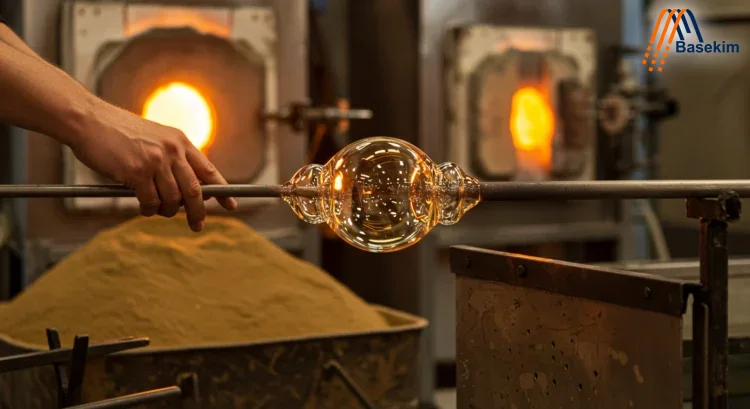
Importance of Silica Sand in Glass Manufacturing
Silica sand for glass industry plays a central role in achieving high-quality glass products across multiple sectors. Manufacturers rely on consistent, high-purity raw materials to ensure that production lines run efficiently and output meets strict performance standards. Without proper silica sand, even the most advanced glass plants struggle to maintain clarity, durability, and uniformity.
Role of High-Purity Silica in Glass Production
High-purity silica enables manufacturers to produce glass with excellent transparency and strength. It acts as the backbone of the glass matrix, forming a stable structure when melted at high temperatures. Producers focus on purity because even small impurities can affect the final product’s optical and mechanical properties.
Glassmakers demand silica with minimal contaminants. This approach ensures smooth melting behavior and reduces the risk of defects. High-grade material also supports energy efficiency by lowering melting temperatures and improving furnace performance.
Key Physical and Chemical Requirements
Silica sand must meet strict physical and chemical standards. Manufacturers prioritize uniform grain size because it allows consistent melting and reduces processing time. Chemical composition also matters, as elements like iron can influence color and clarity.
Producers often look for:
High SiO₂ content (typically above 99%)
Low iron oxide levels
Controlled moisture content
Consistent particle distribution
Meeting these requirements helps maintain product quality and ensures reliable large-scale production.
Types of Glass That Use Silica Sand
Silica sand for glass industry supports a wide range of applications. Each type of glass requires specific characteristics, making material selection a critical step in manufacturing.
Float Glass Production
Float glass dominates the construction sector. Manufacturers use high-quality silica sand to produce flat, distortion-free glass sheets. This type of glass appears in windows, facades, and mirrors.
The process demands extremely low iron content to achieve high transparency. Uniform grain size also helps maintain a smooth surface during production.
Container Glass Manufacturing
Container glass includes bottles and jars used in food and beverage industries. Producers focus on durability and chemical resistance. Silica sand contributes to strength and stability, ensuring that containers withstand temperature changes and mechanical stress.
Specialty and Technical Glass
Specialty glass covers products like optical lenses, laboratory equipment, and solar panels. These applications require ultra-pure silica sand to achieve precise performance characteristics.
Manufacturers often use advanced processing techniques to refine silica sand for these high-end uses.
Silica Sand Specifications for Glass Industry
Precise specifications define the suitability of silica sand for glass production. Manufacturers evaluate multiple parameters to ensure optimal performance.
Grain Size Distribution and Uniformity
Uniform grain size ensures efficient melting and reduces energy consumption. Fine particles melt quickly, while coarse particles may cause inconsistencies. Balanced distribution allows smooth processing and consistent output.
Chemical Composition and Purity Levels
High silica content remains essential for glass quality. Producers typically require silica levels above 99%, with minimal impurities. Consistent composition ensures predictable melting behavior and reduces production issues.
Iron Content and Its Impact
Iron content directly affects glass color. Even small amounts can create green or brown tints. For clear glass, manufacturers demand extremely low iron levels.
Reducing iron content improves transparency and enhances product value.
Processing of Silica Sand for Glass Industry
Processing plays a vital role in preparing silica sand for industrial use. Advanced techniques help remove impurities and achieve desired specifications.
Washing and Classification
Washing removes clay, silt, and organic matter. Classification separates particles based on size, ensuring uniformity. These steps improve overall quality and prepare the material for further processing.
Magnetic Separation and Flotation
Magnetic separation eliminates iron-bearing minerals. Flotation techniques further refine the sand by removing unwanted particles. These processes significantly enhance purity levels.
Drying and Screening
Drying reduces moisture content, making the sand easier to handle and transport. Screening ensures consistent particle size, which supports efficient melting.
Quality Control Measures
Maintaining consistent quality requires strict control at every stage of production.
Testing Standards and Certifications
Manufacturers conduct regular tests to verify chemical composition and physical properties. Certifications ensure compliance with industry standards and build trust with buyers.
Consistency in Supply Chain
Reliable supply chains help maintain production stability. Consistent raw material quality reduces downtime and improves operational efficiency.
Benefits of High-Quality Silica Sand
Using premium silica sand delivers measurable advantages.
Improved Glass Clarity and Strength
High-quality material produces clearer glass with fewer defects. It also enhances strength, making products more durable.
Reduced Manufacturing Defects
Consistent silica sand minimizes bubbles, inclusions, and other imperfections. This leads to higher yield and lower waste.
Global Demand Trends
Demand for silica sand for glass industry continues to grow worldwide.
Growth in Construction Sector
Urbanization drives demand for flat glass in buildings. Large infrastructure projects increase consumption of high-quality silica sand.
Automotive and Solar Industry Influence
Automotive glass and solar panels require specialized materials. These industries contribute significantly to rising demand.
Choosing the Right Supplier
Selecting a reliable supplier ensures consistent quality and timely delivery.
Reliability and Logistics
Suppliers must offer stable production capacity and efficient logistics. Timely delivery prevents disruptions in manufacturing.
Basekim as a Trusted Supplier
Basekim stands out as a dependable supplier of silica sand for glass industry. The company focuses on quality control, consistent supply, and customer satisfaction, making it a strong partner for manufacturers.
Environmental and Sustainability Factors
Sustainability plays an increasing role in material sourcing.
Responsible Mining Practices
Producers adopt environmentally friendly mining methods to reduce impact. Responsible practices protect ecosystems and support long-term resource availability.
Recycling and Waste Reduction
Glass recycling reduces the need for raw materials. Manufacturers integrate recycled content to improve sustainability.
Challenges in Silica Sand Supply
Despite strong demand, challenges remain.
Resource Availability
High-quality deposits remain limited. Increasing demand puts pressure on supply chains.
Regulatory Compliance
Strict regulations affect mining and processing. Companies must adapt to changing environmental standards.
Innovations in Glass Industry Using Silica Sand
Innovation continues to shape the industry.
Advanced Processing Technologies
New technologies improve purity and efficiency. Automated systems enhance consistency and reduce costs.
Future Materials Integration
Researchers explore new materials and techniques to enhance glass performance. Silica sand remains a core component in these developments.
Cost Optimization Strategies
Managing costs remains essential for competitiveness.
Bulk Purchasing Benefits
Buying in bulk reduces unit costs and ensures steady supply.
Efficient Transportation Methods
Optimized logistics lower transportation expenses and improve delivery times.
FAQs About Silica Sand for Glass Industry
1. What purity level is required for silica sand in glass production?
Most manufacturers require silica content above 99% with minimal impurities.
2. Why is low iron content important?
Low iron levels prevent unwanted color and improve glass clarity.
3. How does grain size affect glass manufacturing?
Uniform grain size ensures consistent melting and reduces energy consumption.
4. Can silica sand be recycled?
While sand itself is not recycled, glass products can be recycled to reduce raw material use.
5. What industries use silica sand for glass industry?
Construction, automotive, packaging, and solar industries rely heavily on it.
6. How do suppliers ensure consistent quality?
They use advanced processing, testing, and quality control systems.
Conclusion
Silica sand for glass industry remains a critical resource for modern manufacturing. Its quality directly influences glass clarity, strength, and production efficiency. By focusing on proper specifications, advanced processing, and reliable suppliers like Basekim, manufacturers can achieve superior results and maintain a competitive edge. As global demand continues to rise, investing in high-quality silica sand and sustainable practices will shape the future of the glass industry.