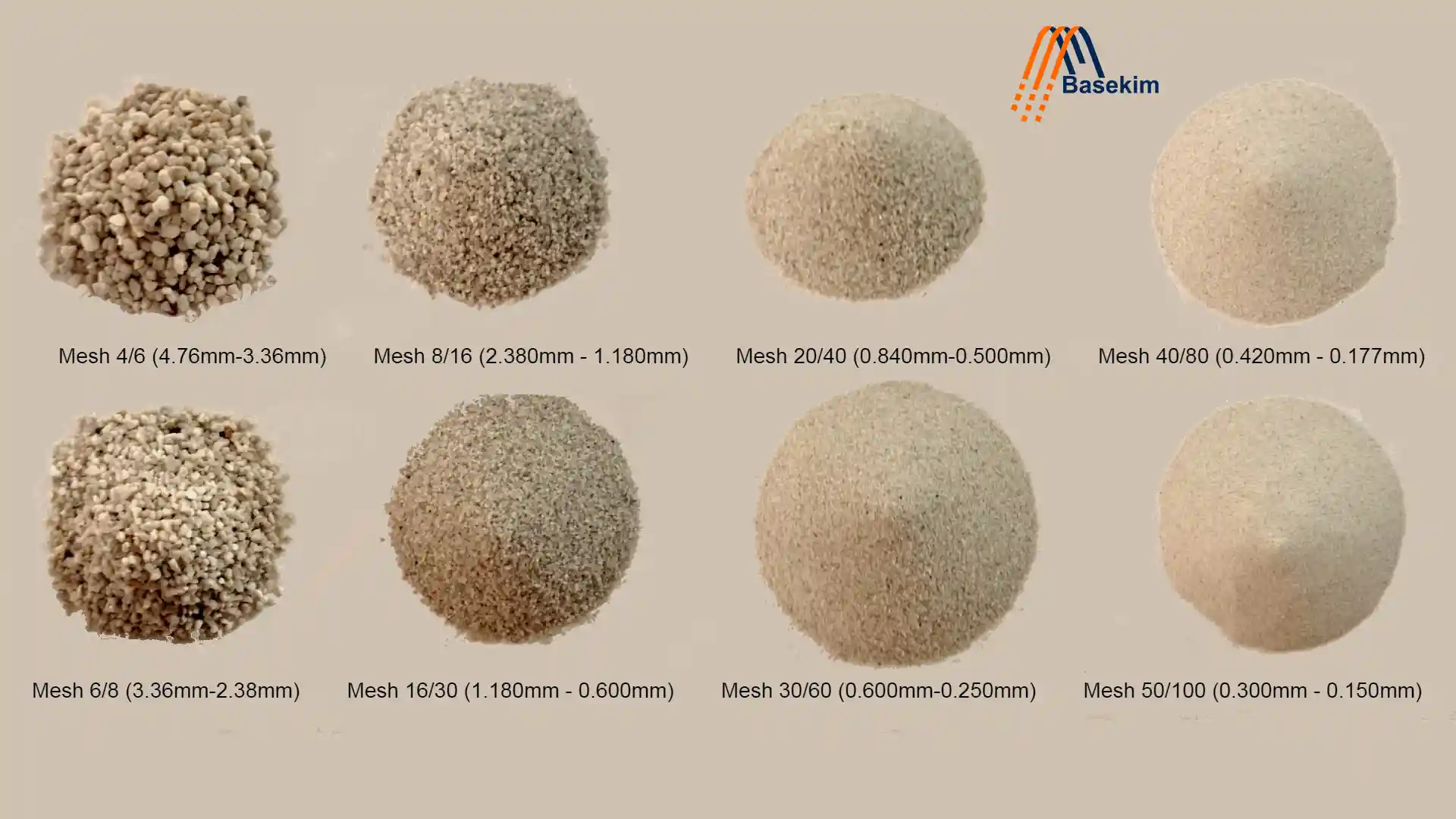
Silica sand size plays a crucial role in determining how this versatile material performs across different industries. From construction and glassmaking to water filtration and sports surfaces, the size of silica sand grains directly affects strength, permeability, appearance, and functionality. Choosing the right silica sand granule size is not just a technical detail—it is often the key factor that determines whether a project succeeds or fails. By understanding the range of sizes available and how each type behaves, you can make smarter decisions and achieve better results in any application.
Why Silica Sand Size Matters
Silica sand size directly influences several important properties:
Permeability – Larger grains allow water and air to pass through more easily
Strength and stability – Smaller grains pack tightly and create a more stable surface
Surface finish – Fine sand produces smoother finishes, while coarse sand creates texture
Filtration efficiency – Specific sizes trap particles more effectively
Selecting the wrong size can lead to poor performance, higher costs, or even system failure.
Common Silica Sand Size Categories
Silica sand is typically divided into three main categories: fine, medium, and coarse. Each category serves different purposes.
Fine Silica Sand (0.05 – 0.25 mm)
Fine silica sand has very small, smooth grains. These particles pack closely together, creating a dense and uniform surface.
Key characteristics:
High compaction
Smooth texture
Low permeability
Common uses:
Foundry molds
Industrial fillers
Decorative finishes
Fine silica sand size works best when a smooth surface or precise molding is required. However, it does not allow water to pass through easily, which limits its use in drainage systems.
Medium Silica Sand (0.25 – 0.5 mm)
Medium-sized silica sand offers a balance between compaction and permeability. It is one of the most widely used sizes due to its versatility.
Key characteristics:
Moderate drainage
Good stability
Balanced texture
Common uses:
Construction materials
Mortar and concrete mixes
Landscaping
Artificial turf infill
Medium silica sand particle grading provides enough drainage while still maintaining structural integrity. This makes it ideal for general-purpose applications.
Coarse Silica Sand (0.5 – 2.0 mm)
Coarse silica sand consists of larger, more angular grains. These grains create spaces between particles, allowing water and air to flow freely.
Key characteristics:
High permeability
Rough texture
Low compaction
Common uses:
Water filtration systems
Drainage layers
Aquariums
Sports fields
Coarse silica sand dimension is essential when efficient drainage or filtration is required. It prevents clogging and maintains consistent flow rates.
Specialized different sizes of silica sand
Beyond the standard categories, manufacturers produce specialized grades tailored for specific industries.
Ultra-Fine Silica Sand
Ultra-fine silica sand has particles smaller than 0.05 mm. It behaves almost like powder.
Applications:
Paints and coatings
Ceramics
High-performance industrial products
This silica sand grain size improves smoothness and enhances chemical properties in advanced materials.
Graded Silica Sand
Graded silica sand combines multiple sizes in controlled proportions. This approach improves performance by balancing strength and permeability.
Applications:
Multi-layer filtration systems
Sports turf bases
Engineering projects
Using graded silica sand mesh sizes ensures consistent performance across different conditions.
Washed and Dried Silica Sand
Processing methods also affect size consistency. Washed and dried silica sand removes dust and ensures uniform grain distribution.
Benefits:
Improved quality control
Better performance in sensitive applications
Reduced impurities
How to Choose the Right Silica Sand Size
Selecting the correct silica sand size depends on your specific needs. Consider the following factors:
1. Application Purpose
Determine how the sand will function. For example:
Use fine sand for smooth finishes
Use medium sand for construction
Use coarse sand for drainage or filtration
2. Flow Requirements
If water or air must pass through, choose a larger silica sand size. Smaller grains restrict flow and can cause clogging.
3. Strength and Stability
Projects that require firm surfaces benefit from smaller grain sizes because they compact tightly.
4. Industry Standards
Many industries follow strict specifications. Always check the required silica sand size range before purchasing.
Silica Sand Size in Filtration Systems
Filtration systems rely heavily on precise silica sand size selection. Engineers often use multiple layers:
Coarse sand at the bottom for support
Medium sand in the middle for filtration
Fine sand on top for capturing small particles
This layered approach improves efficiency and extends the lifespan of the system.
Silica Sand Size in Construction
In construction, silica sand size affects both strength and workability. Fine sand improves smoothness in plaster and finishes, while medium sand enhances concrete strength. Coarse sand supports drainage layers and prevents water buildup.
Using the correct silica sand size ensures durability and reduces maintenance costs.
Environmental and Safety Considerations
While silica sand is widely used, handling it requires care. Fine particles can become airborne and pose health risks if inhaled. Always follow safety guidelines:
Use protective equipment
Minimize dust exposure
Store sand properly
Choosing the right silica sand size can also reduce dust generation and improve safety.
Final Thoughts
Silica sand size is more than just a measurement—it is a defining factor that shapes the performance of countless applications. Whether you need fine grains for precision work, medium sand for general use, or coarse particles for filtration and drainage, understanding the differences allows you to select the perfect material. By paying attention to silica sand size, you can optimize efficiency, improve quality, and ensure long-lasting results in any project.
FAQ
1. What is silica sand made of?
Silica sand mainly consists of quartz, which is a natural form of silicon dioxide. It is known for its durability and chemical stability.
2. Why does grain size matter in sand?
Grain size affects how sand performs. Smaller grains create smoother surfaces, while larger grains improve drainage and airflow.
3. Which type is best for water filtration?
Coarser grains work best for filtration because they allow water to pass through easily while trapping unwanted particles.
4. Can sand be used in construction projects?
Yes, it is widely used in concrete, mortar, and landscaping. The choice depends on the required strength and finish.
5. Is it safe to handle?
It is safe when handled properly. However, avoid inhaling dust by using protective gear, especially in dry conditions.
6. How do I choose the right type?
Consider your project needs, such as drainage, strength, or surface finish. Each application requires a different grain type.
7. Is it environmentally friendly?
It is a natural material, but responsible sourcing and proper use are important to minimize environmental impact.