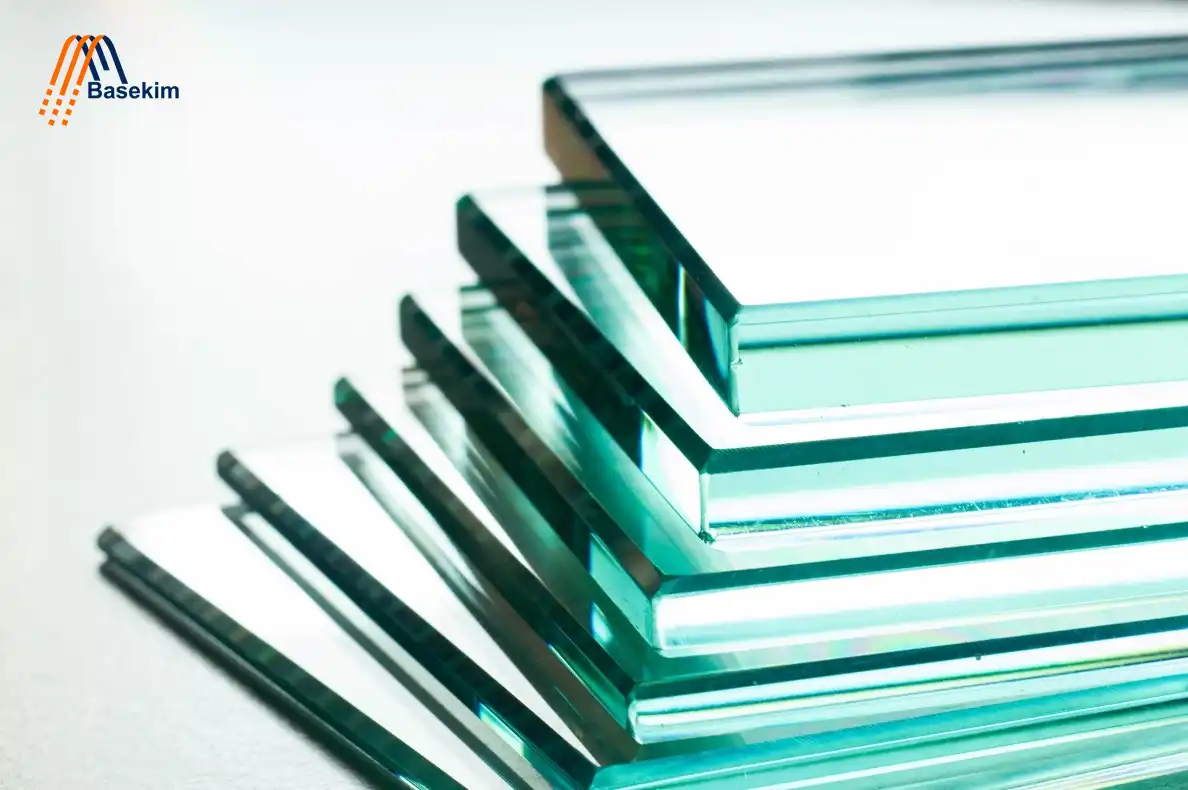
Soda ash in glass manufacturing plays a central role in producing one of the most essential materials in modern life. Manufacturers use glass in windows, bottles, electronics, and solar panels—and they rely on soda ash to make the process efficient and cost-effective.
This article explains how soda ash works, why manufacturers depend on it, and how suppliers like Basekim support the global glass industry.
How Soda Ash Supports Glass Manufacturing
Glass manufacturers combine silica sand, limestone, and soda ash in high-temperature furnaces. Soda ash actively improves this process in several ways.
It Lowers the Melting Temperature
Silica sand requires extremely high temperatures to melt. Soda ash reduces this melting point significantly, allowing manufacturers to use less energy and lower production costs.
It Improves Workability
Soda ash makes molten glass easier to shape. Workers can form, mold, and process the glass more efficiently during production.
It Strengthens the Final Product
Soda ash helps create a stable chemical structure when combined with other materials. This structure increases durability and improves resistance to water and chemicals.
Where Manufacturers Use Soda Ash in Glass Production
Manufacturers use soda ash in glass manufacturing across multiple product categories:
Flat Glass
Producers use soda ash to create uniform and clear glass for windows, mirrors, and automotive applications.
Container Glass
Manufacturers rely on soda ash to produce durable bottles and jars that safely store food and beverages.
Fiberglass
Producers use soda ash to control melting behavior when making insulation and reinforced materials.
Specialty Glass
High-tech industries use soda ash to manufacture precise and durable glass for electronics and laboratory equipment.
Benefits of Soda Ash in Glass Manufacturing
Manufacturers gain several advantages when they use soda ash in glass manufacturing.
Manufacturers Reduce Energy Use
Soda ash lowers the melting temperature, which allows factories to consume less fuel and energy.
Companies Cut Production Costs
Lower energy use and improved efficiency help manufacturers reduce overall production expenses.
Producers Maintain Consistent Quality
Soda ash ensures even melting and mixing, which leads to fewer defects and higher-quality glass.
The Industry Supports Sustainability
Manufacturers recycle glass efficiently, and soda ash helps maintain quality even when they reuse materials.
The Glass Manufacturing Process Using Soda Ash
Manufacturers follow a structured process to produce glass:
1. They Prepare the Batch
Workers measure and mix silica sand, soda ash, and limestone carefully.
2. They Melt the Materials
Furnace operators heat the mixture, and soda ash helps lower the temperature required to form molten glass.
3. They Shape the Glass
Technicians shape the molten glass into sheets, containers, or custom designs.
4. They Cool the Glass
Manufacturers cool the glass gradually to remove internal stress and increase strength.
5. They Finish the Product
Workers cut, polish, or coat the glass depending on its final application.
Environmental Impact and Sustainability
Manufacturers continue to improve the sustainability of soda ash in glass manufacturing. Soda ash reduces energy consumption during production, which lowers emissions. At the same time, companies increase their use of recycled glass to reduce raw material demand.
Industry leaders continue to invest in cleaner technologies and more efficient production methods to minimize environmental impact.
Reliable Supply in the Global Market
The global glass industry depends on a steady supply of high-quality soda ash. Growing construction, packaging, and technology sectors continue to increase demand.
Suppliers like Basekim provide consistent and reliable soda ash from Turkey. Basekim supports manufacturers by delivering high-quality materials that meet industry standards and production needs.
How to Choose the Right Supplier
Manufacturers evaluate several factors when selecting a soda ash supplier:
- They check purity levels to ensure high-quality glass production
- They confirm supply consistency to avoid production delays
- They review logistics capabilities for timely delivery
- They seek technical expertise to optimize manufacturing processes
Companies that work with experienced suppliers like Basekim gain a competitive advantage through reliability and product quality.
Future Trends in Soda Ash and Glass Manufacturing
The industry continues to evolve, and soda ash remains essential to its progress.
Manufacturers Increase Glass Recycling
Companies expand recycling efforts to reduce waste and energy consumption.
Engineers Develop Energy-Efficient Furnaces
New technologies further reduce energy requirements in glass production.
Companies Focus on Green Manufacturing
Manufacturers adopt eco-friendly practices to reduce emissions and improve sustainability.
Conclusion
Soda ash in glass manufacturing drives efficiency, quality, and sustainability. Manufacturers rely on it to lower energy use, improve workability, and produce durable glass products.
As global demand for glass continues to grow, suppliers like Basekim play a critical role in supporting the industry. They ensure that manufacturers receive consistent, high-quality soda ash to keep production running smoothly.
Soda ash remains a cornerstone of modern glass manufacturing—and it will continue to shape the future of the industry.